
Culture in Europe: A shared value, diverse experiences
Exploring perceptions, participation and cultural employment across the EU
How important is culture to you?
Whether it is visiting a museum, attending a local festival, enjoying live music or taking part in a traditional celebration, culture is part of everyday life for many Europeans. Nearly nine in ten EU citizens say that culture and cultural exchange should have an important place in the EU. When asked what most creates a feeling of community among Europeans, EU citizens place culture ahead of shared values, history and sport. Yet beyond this shared appreciation lies a much more diverse reality: participation in cultural activities, and employment in the cultural sector, vary considerably from one country and region to another.
Using open data from the Eurobarometer and Eurostat, this data story explores how culture contributes to a shared sense of community, how EU citizens participate in cultural activities and where cultural employment is concentrated across the EU.
What makes EU citizens feel part of a community?
A shared sense of community in the EU can come from many sources: from culture and shared values to history, the economy and sport.
At the EU level (Figure 1a), culture ranks first among the factors respondents say contribute most to a feeling of community among EU citizens. It is selected by 29 % of respondents, followed closely by shared values at 26 %, history at 24 % and the economy at 22 %. Culture therefore leads, but not overwhelmingly: the relatively small gaps between the highest-ranked factors suggest that EU citizens associate community with several overlapping ideas rather than any single one.
Notably, only around 1 % of respondents say that such a feeling of community does not exist, suggesting that the idea of a shared community among EU citizens is rejected by very few respondents.
Looking beyond the EU average (Figure 1b) reveals important national differences. Culture appears among the three leading factors in almost every Member State, with Finland and Sweden the only exceptions. It ranks first in 11 of the 27 Member States, but no single factor dominates across the EU. Instead, shared values, the economy, sport, education and geography rank first in different Member States.
Overall, culture emerges as the most widely recognised source of community across the EU, even though its relative importance varies between Member States. The results also show that citizens’ views of what brings Europeans together are shaped by national contexts and priorities.
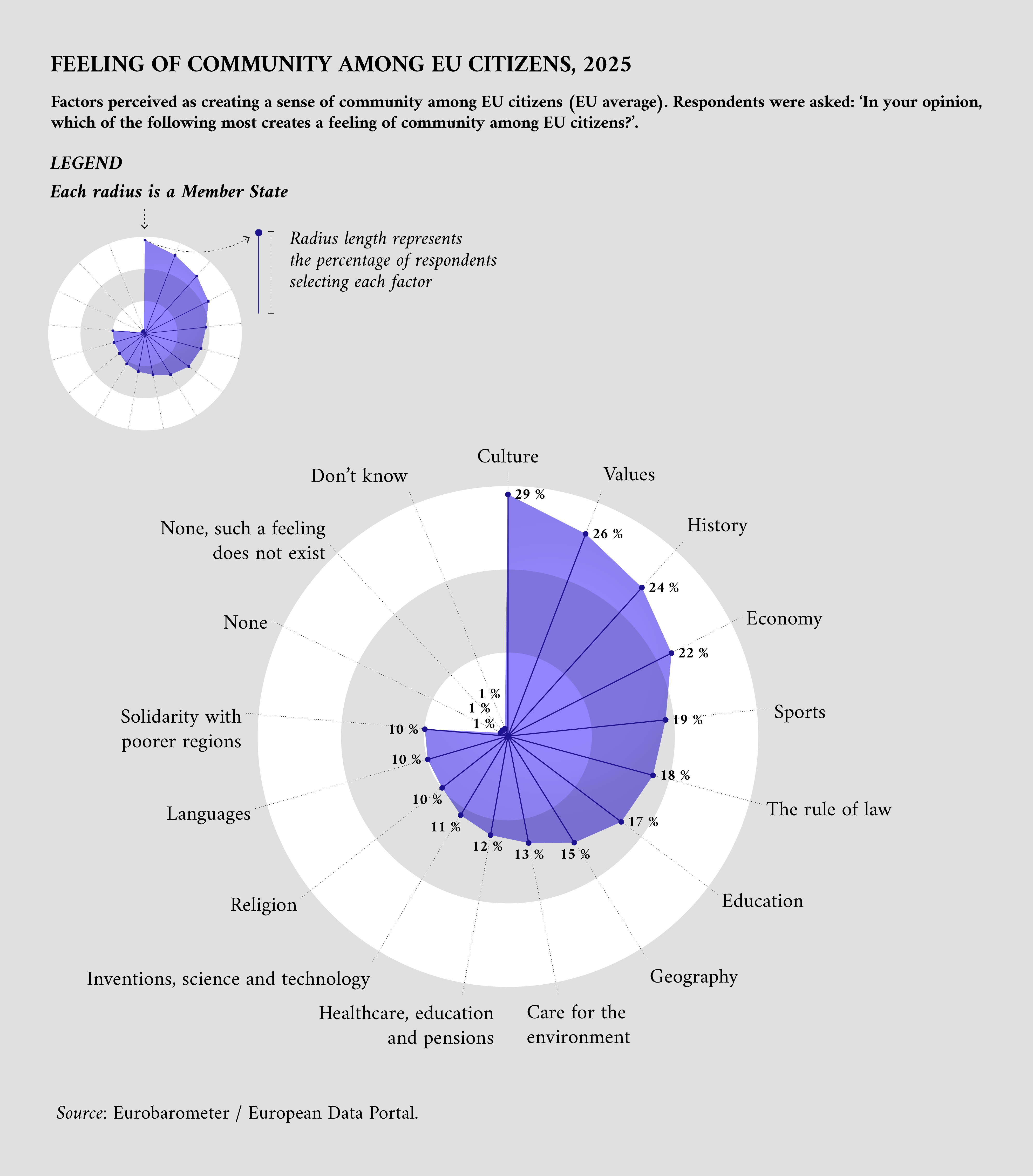
Figure 1a: Factors perceived as creating a sense of community among EU citizens
Sources: Eurobarometer / European Data Portal.
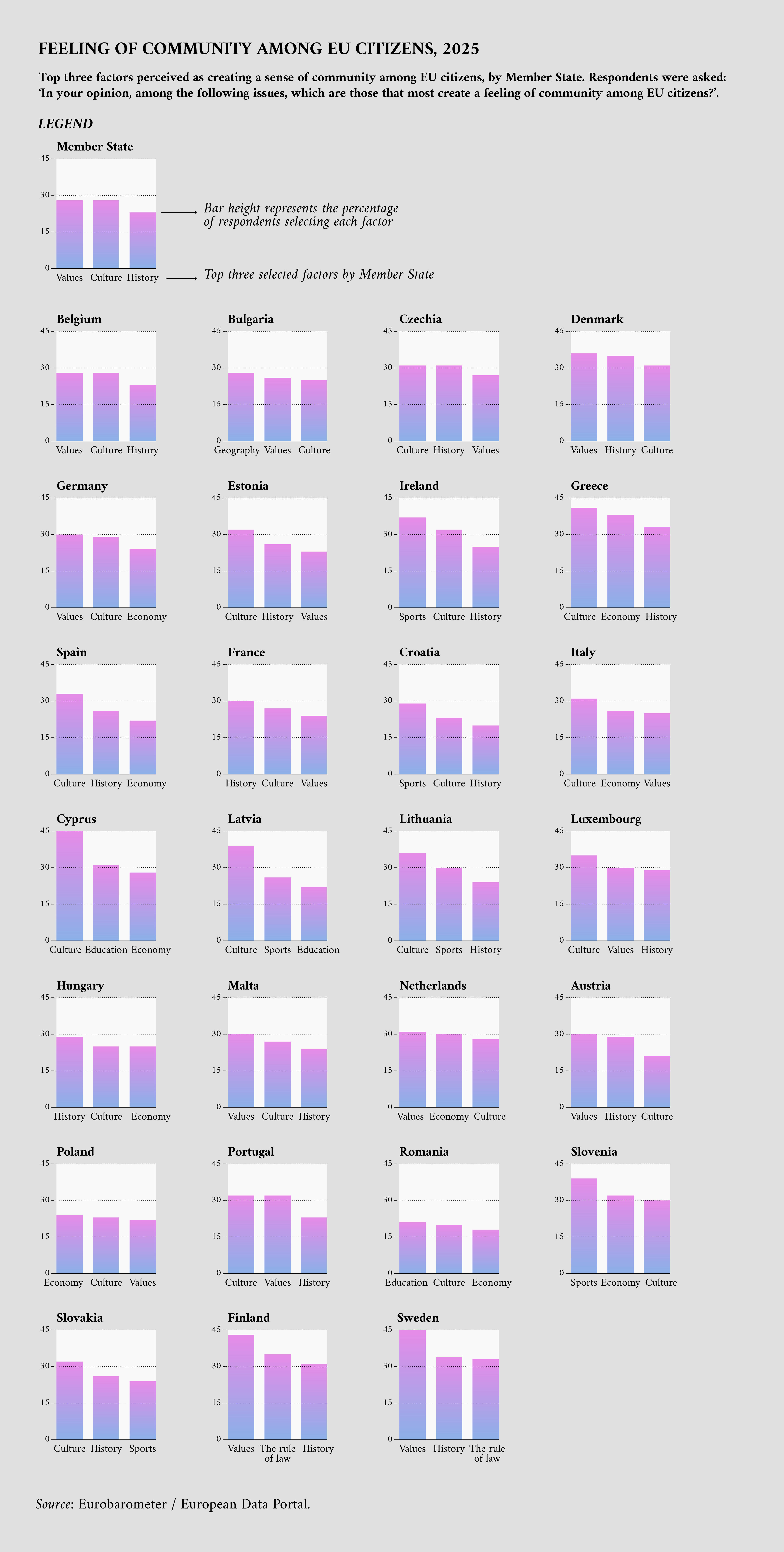
Figure 1b: Top three factors perceived as creating a sense of community among EU citizens, by Member State
Sources: Eurobarometer / European Data Portal.
How do Europeans participate in culture?
Knowing that Europeans value culture is one thing. Knowing whether they actively participate in it is another.
Figure 2a shows the share of people who took part in at least one cultural activity during the previous 12 months. Participation ranges from 76 % in the Netherlands to just 19 % in Romania, highlighting substantial differences across the EU. The Nordic countries consistently record some of the highest participation rates, while lower levels are more common in eastern and south-eastern Europe. These differences may reflect a combination of factors, including access to cultural opportunities, demographics and socioeconomic conditions.
Looking beyond overall participation, Figure 2b reveals notable differences in the types of activities people engage in. Dancing and singing appear among the three most popular activities in almost every Member State, making them by far the most widespread forms of cultural participation. One possible explanation is that both are deeply rooted in local traditions, require little equipment or formal training, and can be practiced almost anywhere – from flamenco in Spain to the choral singing traditions of the Baltic countries. Arts and crafts also feature prominently, particularly in several northern Member States. Photography and videography are common across a number of mostly Central European countries, while music appears among the top activities in only a handful of countries, including Ireland, Lithuania, Portugal, Spain and Sweden. Creative computing stands out as the most country-specific activity, appearing in the top three only in the Netherlands.
Taken together, the two figures show that while participation in cultural activities varies widely across the EU, the activities people choose are remarkably similar. Dancing and singing appear among the most popular activities in almost every Member State, whereas only a few activities show distinctive national patterns.
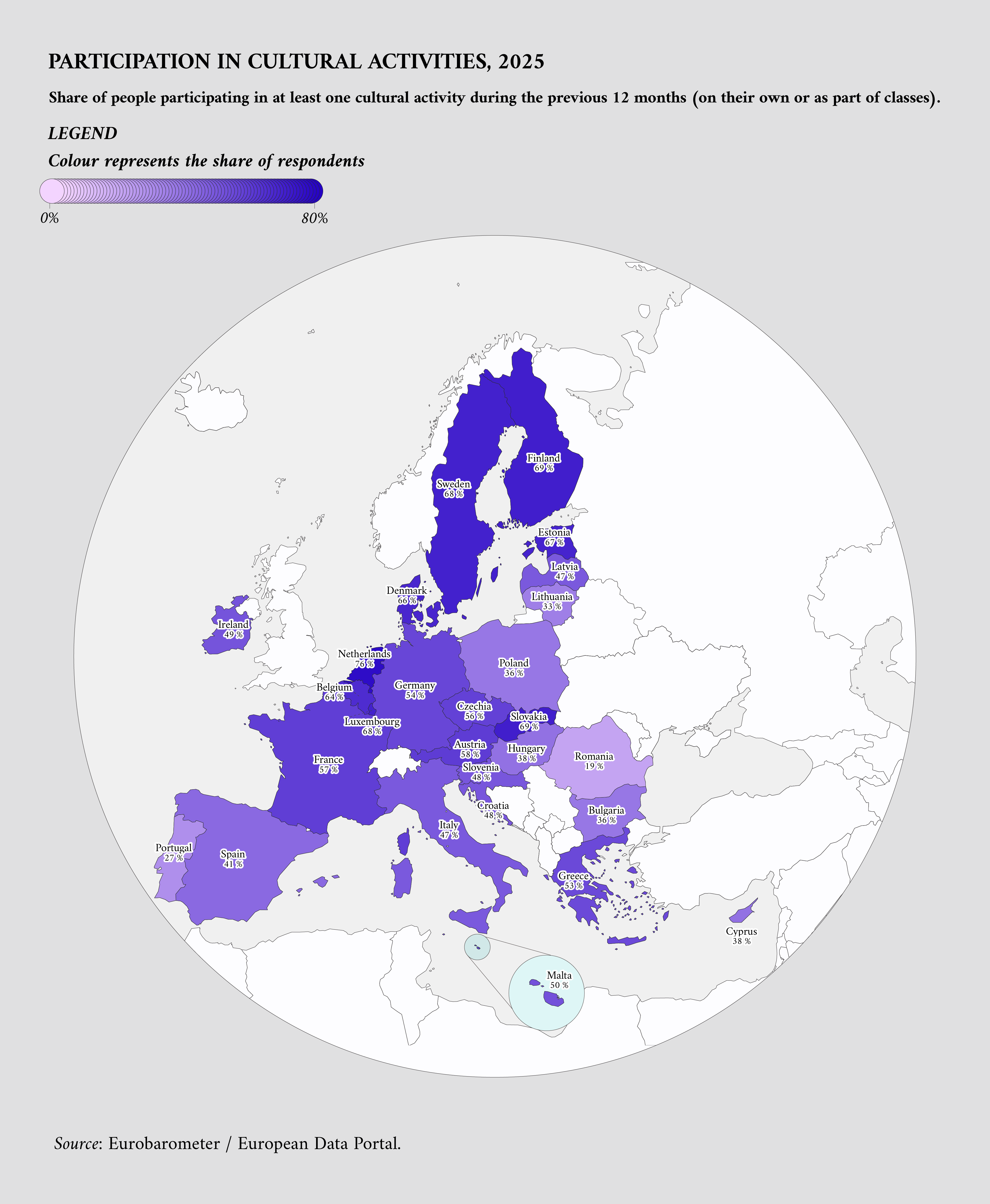
Figure 2a: Participation in at least one cultural activity during the previous 12 months, by Member State
Sources: Eurobarometer / European Data Portal.
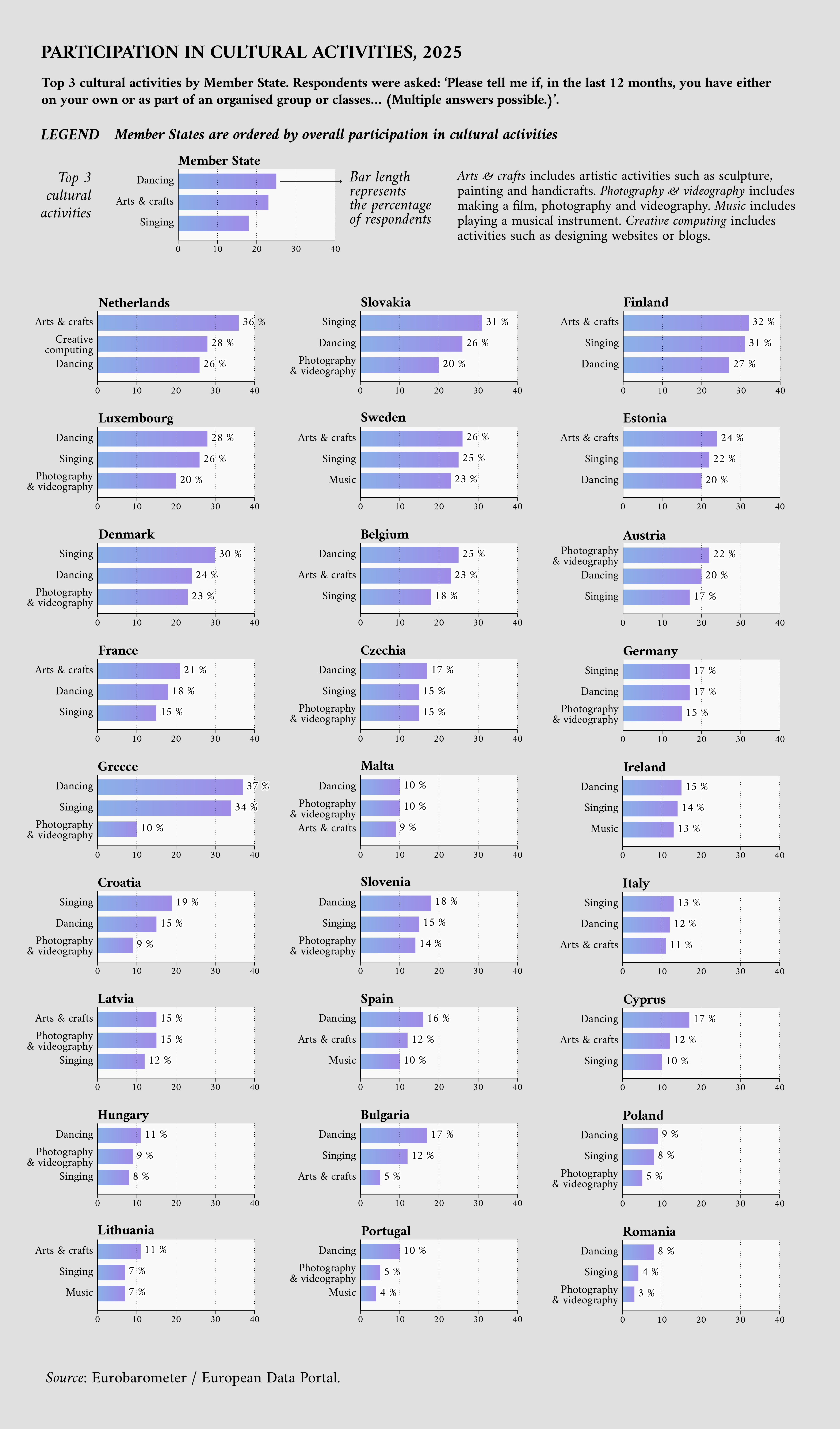
Figure 2b: Three most popular forms of cultural participation, by Member State
Sources: Eurobarometer / European Data Portal.
Who works in culture, and where?
Behind every museum visit, concert or film lies a workforce of writers, designers, performers and many other cultural professionals. But how large is that workforce, and where in Europe is it found?
Figure 3a shows the share of total employment that comes from the cultural sector, along with the highest and lowest regional value in each country. Cultural employment includes occupations such as musicians, actors, architects, graphic designers and museum professionals.
The Netherlands, Luxembourg and Estonia record the highest national shares, at around 5 %, compared with an EU average of 3.8 %, while Romania records the lowest, at 1.6 %. However, the most striking feature is the variation within countries. In many Member States, the difference between the highest- and lowest-performing regions is larger than the difference between national averages, highlighting the importance of regional cultural hubs. Prague and Berlin record the highest regional shares in the EU, both close to 10 %, while Romania’s least urbanised regions fall below 1 %.
Figure 3b maps cultural employment at the NUTS 2 level across the EU, together with neighbouring countries where comparable regional data are available. White regions indicate that no data are available. Higher shares of cultural employment are common in many capital and metropolitan regions, including those around Brussels, Lisbon, Paris and Stockholm, although several non-capital regions also stand out. The map also suggests a broader geographical pattern, with higher shares generally found in western and northern Europe, while lower shares are more common in parts of eastern and south-eastern Europe.
Taken together, the two figures show that cultural employment is unevenly distributed across the EU. While some differences exist between Member States, disparities within countries are often just as pronounced, reflecting the concentration of cultural activities and creative industries in particular regions.
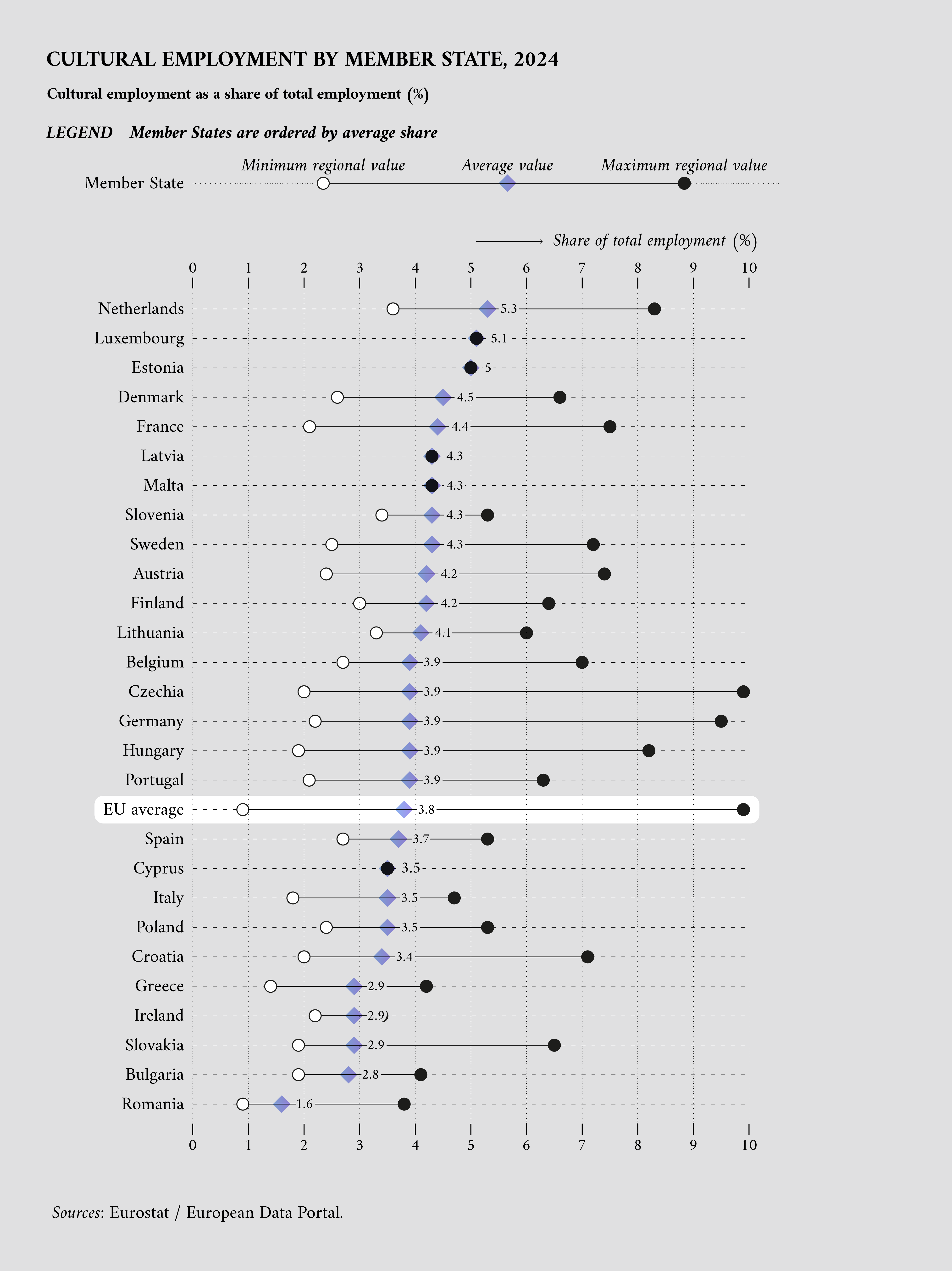
Figure 3a: Cultural employment as a share of total employment, by Member State
Sources: Eurostat / European Data Portal.
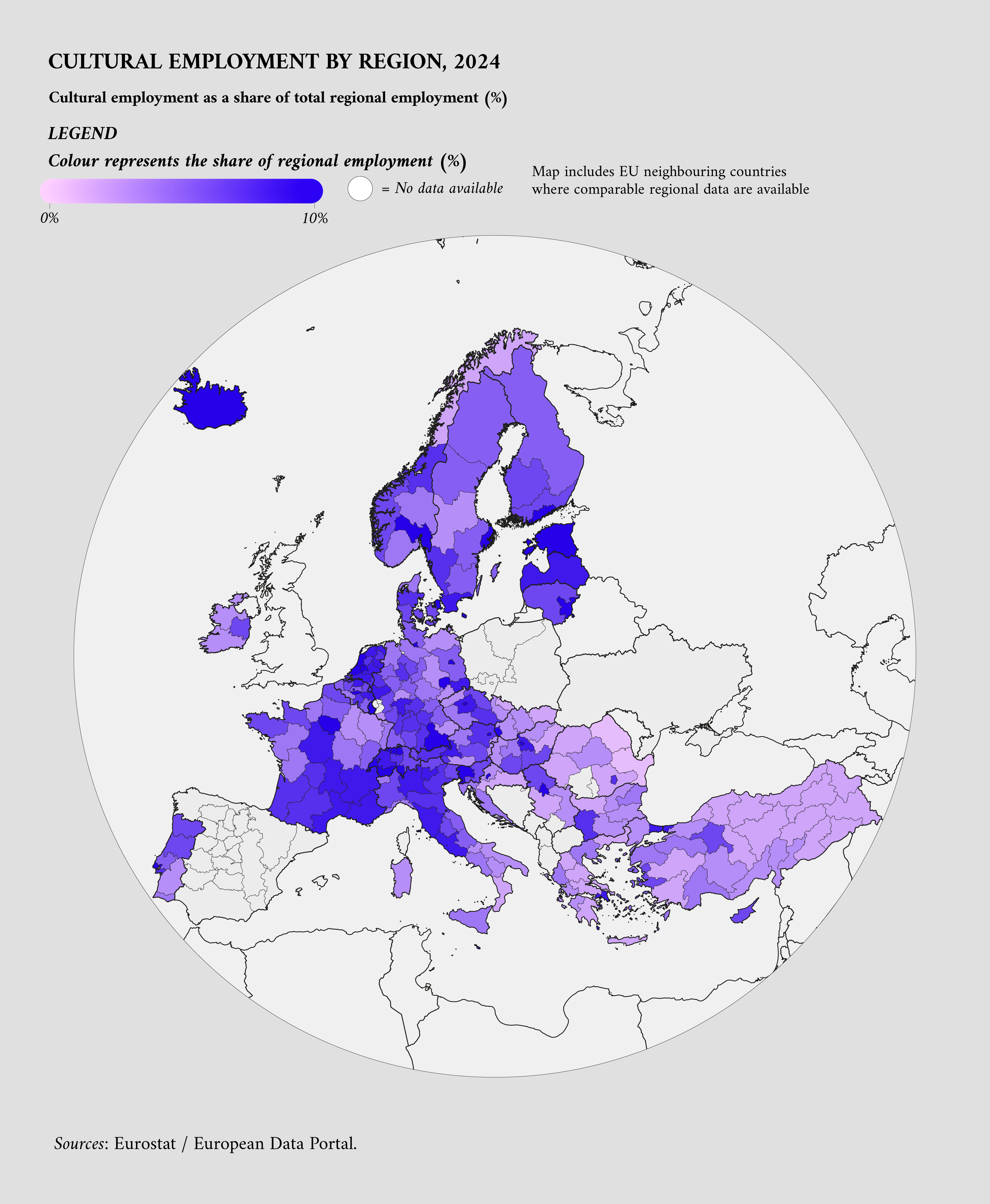
Figure 3b: Cultural employment by NUTS 2 region
Sources: Eurostat / European Data Portal.
Conclusion:
The data paint a picture of a Europe where culture is both a shared value and a diverse reality. Across the EU, culture is the factor most often associated with a sense of community, yet levels of participation differ dramatically between Member States. At the same time, when people do take part, they often choose remarkably similar activities, while cultural employment is concentrated in particular regions rather than evenly distributed across countries.
Together, these findings illustrate how open data can reveal not only what Europeans have in common, but also where important differences remain. By making these patterns visible, it provides a stronger evidence base for understanding Europe’s cultural landscape.