
Search results (4043)
Skip results of view Publications

World Intellectual Property Day, observed annually on 26 April, was established by the World Intellectual Property Organization (WIPO) to promote a better understanding of intellectual property and its role in society. The date marks the entry into force of the WIPO Convention in 1970. Today, the initiative highlights why protecting inventions, brands, and creative work remains essential for innovation, investment, and economic development in a global and increasingly data‑driven world. Intellectual property systems do more than grant legal protection. Each patent application, trademark
- Data Story
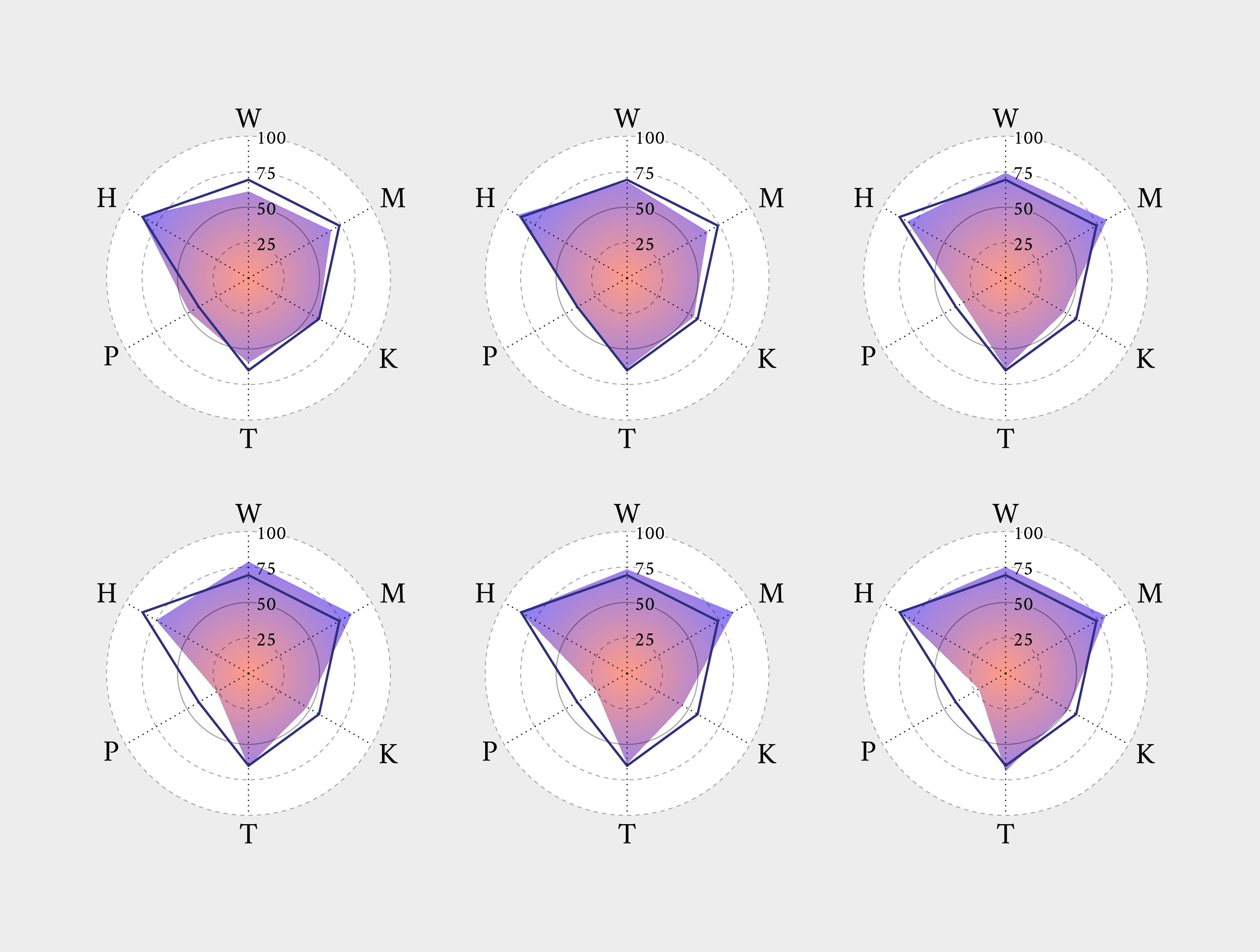
How differently do men and women experience life in Europe today? Over recent decades, the roles of men and women in Europe have shifted. More women participate in the labour market, and more men share responsibilities at home. Yet clear differences in gender roles remain in European societies, from who reaches positions of power to how household tasks are shared. This underlines why the EU...

The European Data Governance Act (DGA) marked an important step in the EU’s efforts to make more data available for reuse while keeping trust and legal safeguards in place. The Act was designed to unlock data that cannot be shared openly, such as sensitive public sector, business-to-government or personal data, and to do so in a safe and controlled way. During its first year of application, Member States began establishing national single information points for protected public sector data, while the European Commission developed common tools, guidance and registries to support a more
Stockholm Tech Show takes place on 26–27 May 2026 at Kistamässan in Stockholm. The event brings together professionals from across the Nordic tech ecosystem for two days of exhibitions, conference sessions and networking. It covers key topics such as AI, cybersecurity, cloud technologies, DevOps and digital infrastructure, offering a practical overview of current developments and innovations shaping digital transformation.

The European Union has created a European register that helps people discover public sector datasets which are not able to be shared as open data. The European Register for Protected Data held by the Public Sector (ERPD) is available through the European Data Portal and supports the reuse of valuable data while respecting privacy, confidentiality, and intellectual property rules. The register was created under the Data Governance Act , which recognises that some information held by public bodies, such as health, mobility, or business data, cannot be published openly. Instead, public

The EU framework for high-value datasets (HVDs) has moved from planning to practice. Since 2024, the Commission Implementing Regulation (EU) 2023/138 has applied across all Member States, setting rules on how specific public sector datasets must be published and reused. The regulation builds on the Open Data Directive and focuses on six categories with high social and economic potential: geospatial data, earth observation and environment, meteorological data, statistics, company ownership, and mobility data. Under the regulation, public bodies are mandated to make designated HVDs available

Across Europe, recent crises have shown how quickly situations can escalate and how essential reliable data is in moments of uncertainty. On Friday, 24 April 2026, from 10:00 to 11:00 CEST, the data.europa.eu academy will host an online webinar ‘Open data for crisis response and resilience: cases from European & national institutions’ , exploring how open data can support effective crisis response and long-term resilience at both European and national level. The webinar features two speakers who approach crisis response from different institutional perspectives. Auriane Denis Loupot from the
Visualising Climate 2026 is the first global conference dedicated to how data visualisation can deepen public understanding of our changing planet and strengthen informed decision‑making in the face of climate challenges. Held from 4 - 6 November 2026 in Bologna, the event explores the power of visual storytelling at the intersection of climate science and creativity. Over three days of talks, workshops, and collaborative sessions, participants examine how complex environmental data can be transformed into clear, engaging narratives that inform, inspire action, and influence policy. By

Europe’s digital transformation depends on public services that can work seamlessly across borders. To support this ambition, the European Commission has developed the Digital Building Blocks for Europe : a set of reusable digital solutions that help public administrations and businesses deliver interoperable and secure digital services throughout the European Union. Digital Building Blocks are open and reusable digital solutions that address common challenges in public service delivery. Rather than building new systems from scratch, organisations can reuse existing components that already
The IOPEU Monitoring Toolbox , part of the Interoperable Europe initiative, brings together a curated set of solutions, training materials and guidance on how public administrations can improve interoperability across the European Union. Hosted on the Interoperable Europe portal , the toolbox provides access to the EIF solutions finder , eLearning courses, and other key resources designed to enhance the maturity of digital public services. By consolidating these tools in one place, the initiative supports officials, practitioners, and policymakers working to implement the Interoperable Europe