Search results (794)
Skip results of view News and highlights
The Serbian Open Data Portal is strengthening access to public sector information by bringing together datasets, application programming interfaces (APIs), and examples of data reuse in a single, user-friendly platform. Designed as a central access point for open government data in Serbia, the portal enables citizens, businesses, researchers and public authorities to discover, access and reuse information from a wide range of institutions. It also supports community engagement by allowing registered users to publish datasets and showcase examples of how open data can be used in practice

Summer offers a chance to look beyond day-to-day work and reflect on the trends shaping the global data landscape. Over the past six months, international organisations , research institutions, and public bodies have published articles and reports for our users to explore how data is shared, governed, and reused to address societal challenges. Enjoy these reads during these months and learn more about the impact of open data on your everyday lives. The Atlas of Global Development 2026 : this storytelling and data visualisation tool can be used to explain global trends in poverty, education
Finding the right dataset on a large portal can be challenging. To make this task easier, the European Data Portal has introduced a combined search and an advanced search. With these new features, you can explore public data from across Europe quicker and with greater precision. Both features are part of quick search, so occasional visitors and expert users find what they need in just a few clicks. Combined search allows you to look for datasets, catalogues, and editorial resources such as news and country insights using a single search box. The search results are labelled clearly, so you see

The Data Visualisation Guide on the European Data Portal is a free online resource developed by the Publications Office of the European Union to support individuals and organisations in communicating data effectively. The guide brings together training materials originally created for EU institutions into a single, accessible platform. It is designed for users at all levels, from beginners to experienced professionals, and aims to enhance data literacy by showing how to transform complex datasets into clear and impactful visualisations. The guide is structured into seven chapters that cover

Each year on 17 July, the Day of International Criminal Justice highlights the importance of accountability and the global fight against genocide , war crimes, and crimes against humanity. This date marks the adoption of the Rome Statute in 1998 , the founding treaty of the International Criminal Court. This observance brings together governments, civil society, and citizens to promote fair legal systems and uphold the rule of law worldwide. Across the European Union, initiatives such as the EU Justice Scoreboard provide comparable data on the efficiency, quality, and independence of national

Japan is advancing its data governance framework through a series of practical guides aimed at improving data quality and organisational maturity. A key tool enabling this is the data quality management guidebook developed by the Japanese government’s digital and data initiatives. This guide provides structured approaches for managing, assessing, and improving data quality across organisations. It complements related frameworks such as the Chief Data Officer handbook and Chief AI Officer guidance , positioning Japan as an active player in the global data ecosystem. For European stakeholders

The European Legislation Identifier (ELI) is a European initiative designed to make legislative documents easier to access, share, and reuse across the European Union. The ELI providers a standard way to identify and describe legal documents published at both EU and national level. By assigning each legal act a unique web identifier and consistent metadata, it helps users find and understand legislation more easily, regardless of country or language. At its core, ELI is built on a simple idea: every piece of legislation should be accessible through a stable and meaningful web link. The links
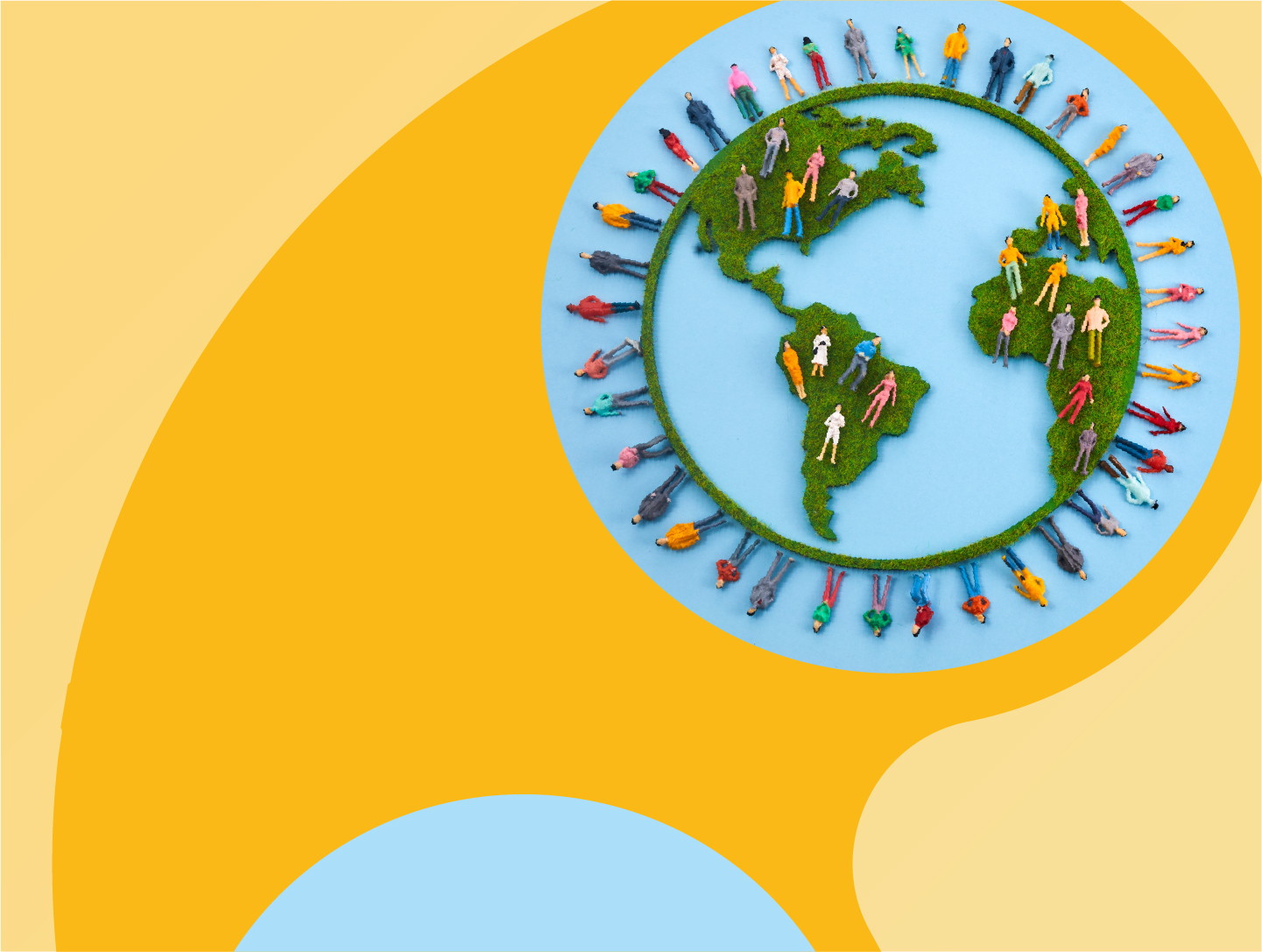
How many people live on our planet today, and what does that mean for our future? Each year, on 11 July, World Population Day invites people around the world to reflect on these questions. Established by the United Nations, the day raises awareness of how population trends influence key global challenges, from access to resources to economic development and environmental sustainability. First observed in 1989, World Population Day was inspired by growing interest in population milestones and their wider impact. Since then, it has become a moment to reflect on how the world’s population

Want to learn more about the role of non-EU member states within the European open data ecosystem? Join us on 10 July, from 10:00 to 11:30 CEST, where we will host a webinar together with experts from Ukraine and Serbia to explore how non-EU countries actively contribute to European open data ecosystems. As open data plays an increasing role in transparency, innovation, and evidence-based policymaking, cross-border collaboration is becoming essential to strengthen Europe’s data landscape. The webinar will feature contributions from Yanina Liubyva, representing Ukraine’s Ministry of Digital

The European Union’s Transparency Register is a publicly accessible database that shows which organisations and individuals seek to influence EU policy and decision-making. Managed jointly by the European Parliament, the Council of the European Union and the European Commission, the register lists all the interest representatives in Europe, such as non-governmental organisations and consultancies. It provides information on who they represent, which policies they aim to influence, and the resources they use. By making these activities visible, the register strengthens accountability and