
Βρέθηκαν 828 αποτελέσματα
Skip results of view Νέα

The data.europa academy invites researchers, data enthusiasts, policymakers and anyone interested in reliable information to join the webinar ‘Open data, academia, and ethics: fact-checking and countering misinformation’ on Friday, 6 November, from 10:00 to 11:15 CET. As misleading information spreads through online platforms, checking the evidence behind a claim becomes increasingly important. This third and final episode of the ‘Open data, academia, and ethics’ series will explore tools and research that support a more critical approach to information. The session will feature Elena Musi
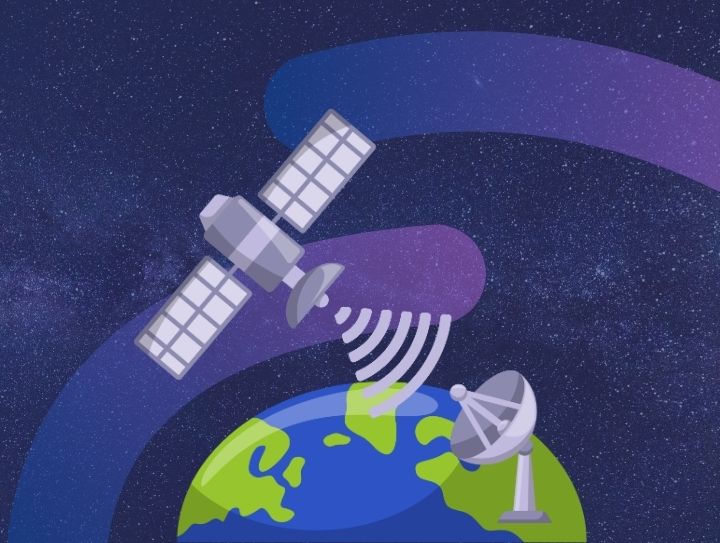
Knowing exactly where someone is can decide how quickly help arrives. Whether a child becomes lost in a crowded park or a hiker is caught in dense fog, reliable location information allows emergency services to respond faster. Galileo , the EU’s satellite navigation system, helps compatible devices calculate their position and is now used in more than 4.5 billion devices worldwide. The EU Agency for the Space Programme explains that Galileo plays a particularly important role in emergencies. When someone calls 112 from a smartphone, satellite signals, including Galileo, are combined with

Housing affordability has become a growing concern across Europe, but the scale and causes of the pressure vary considerably between places. On Wednesday, 9 September, the European Commission proposed the Affordable Housing Act , which aims to help make housing more available and affordable across the EU. The proposal recognises that effective action requires a clearer understanding of where housing pressure is most severe. One element of the proposal is a new data-driven method that compares average house prices with average annual household incomes. An area may be identified as being under

October marks the European Cybersecurity Month, the EU’s yearly campaign to help people and organisations stay safe online. Coordinated by the European Union Agency for Cybersecurity (ENISA) and the European Commission, the campaign brings together awareness-raising activities and events across Europe. Ahead of the campaign, on Tuesday, 22 September, ENISA published its Threat Landscape 2026 report , covering the main cyber threats faced by the EU in 2025. Ransomware, which locks files or systems until payment is made, remains the most impactful threat. Public administration is the most

Greece has relaunched its national open data portal, data.gov.gr , following a major redesign. The portal provides citizens, researchers, businesses and public-sector professionals with free access to public-sector data. The redesigned platform includes an advanced search function that allows users to apply multiple criteria, including geographical location, to find relevant datasets. According to Greece’s Special Secretariat for Artificial Intelligence and Data Governance, the portal is also intended to support policymaking and the development of artificial intelligence applications by

World Mental Health Day is marked each year on 10 October to raise awareness of mental health and encourage action against stigma and unequal access to support. Mental health affects people of every age and background, as well as families, workplaces and communities. The day offers an opportunity to consider how reliable evidence can help public authorities understand needs and design more effective responses. The European Commission's comprehensive approach to mental health places mental health alongside physical health. Its 20 flagship initiatives are guided by prevention, access to high
How can open company-register data help explain the structure of an entire professional sector? Navor's Swiss Fiduciary Landscape turns an April 2026 snapshot of over 17 000 Swiss companies classified as fiduciary or accounting providers into a multilingual public research resource. Instead of presenting a directory of individual businesses, it shows aggregate patterns by canton, city, legal form and founding period. The project illustrates how open register data can be reused to provide broader insights to the professional sector. The analysis uses a two-stage method. Multilingual search
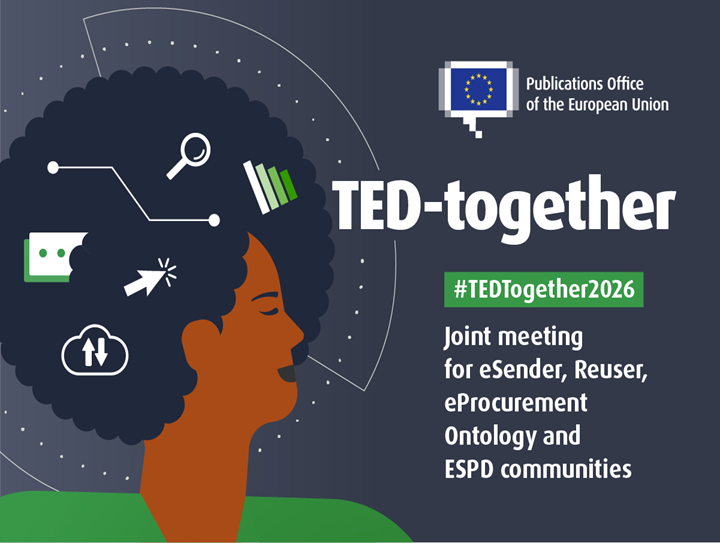
As the manager of TED (Tenders Electronic Daily), the Publications Office of the European Union is pleased to announce its upcoming 'TED-together’ event, which will take place on 24-25 November in a hybrid format, both on site in Luxembourg and online. This event will be of interest to a wide range of TED stakeholders and partners, particularly users and reusers of TED data, eSenders, and the eProcurement Ontology and European Single Procurement Document (ESPD) communities. This year’s programme will feature discussions on policy developments related to public procurement, the use of the

A new study on the European Data Portal examines the availability and consistency of scheduled public transport data in General Transit Feed Specification (GTFS) format across the EU. GTFS is an open, machine-readable standard covering operators, stops, routes, trips and timetables, which helps transport authorities and developers to reuse data more easily across borders. Reliable public transport data helps journey planners operate efficiently, supports transport research and enables authorities to understand how well communities are connected. The researchers analysed nearly 1 000 feeds

Yearly on 2 October, the world marks the International Day of Non-Violence . Originally established by the United Nations to celebrate the birth anniversary of Mahatma Gandhi, the day is used to promote a culture of peace, tolerance and understanding. The day highlights the importance of resolving conflicts through dialogue rather than force, while encouraging governments, organisations and citizens to work together towards more peaceful societies. The observance remains highly relevant for communities across Europe and beyond as they seek evidence-based solutions to complex social challenges