
840 znalezionych wyników
Skip results of view Wiadomości
What makes a place part of a city’s cultural life? Alongside well-known landmarks, local knowledge can reveal places that visitors might otherwise overlook. Cultural Gems , an initiative developed by the European Commission’s Joint Research Centre, brought together contributions from cities, universities, organisations and individuals to document cultural and creative places across Europe. Launched in 2018, the project combined information from OpenStreetMap with contributions from its partners and users. The contributors’ dataset remains available for download. It contains contributions
Digital services depend on systems being able to exchange information correctly. Agreeing on common standards is an important step, but organisations also need to check how those standards work in practice. The European Commission’s Interoperability Test Bed helps teams test whether their systems meet agreed upon requirements, supporting more consistent information exchange across organisations and borders. The service allows teams to run tests, inspect results and identify problems. Tests can check whether data follows a required structure or whether systems send and receive messages as
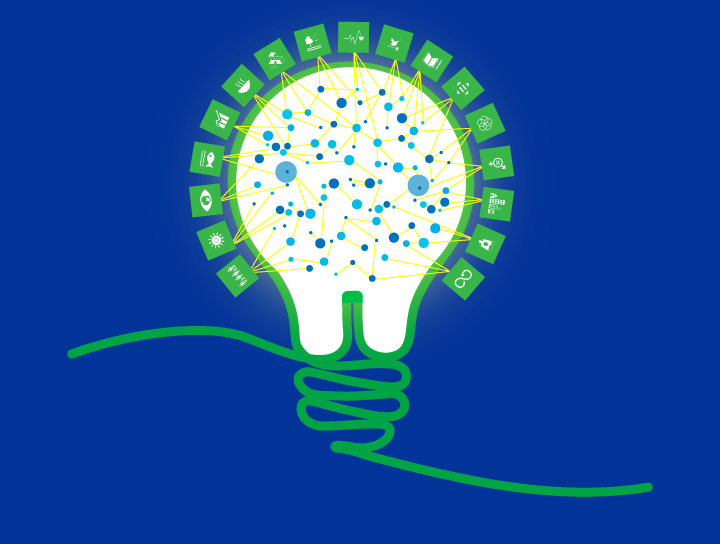
The first competition launched on the European Data Portal’s new competition platform has come to a close. Entitled ‘CORDIS – mapping EU-funded research projects to the Sustainable Development Goals’, the competition invited participants to develop approaches for mapping EU-funded research projects to the United Nations Sustainable Development Goals (SDGs). Six submissions were received by the deadline of 30 September. Following the evaluation, the detailed results are now available on the competition platform’s leaderboard. The final ranking is as follows: Dtangle team (Marc Siegrist, Jean
Finding relevant public contracts can take time, particularly for smaller businesses. LicitaIA , a Spanish service focused on public procurement, reuses official notices to help businesses search for opportunities and receive alerts. Its public observatory also offers a closer look at published contract awards, showing how winning prices compare with the budgets initially advertised. The observatory groups results by sector and, where location information is available, region. It publishes typical price reductions, the range of results and the number of awards included in each group. Readers
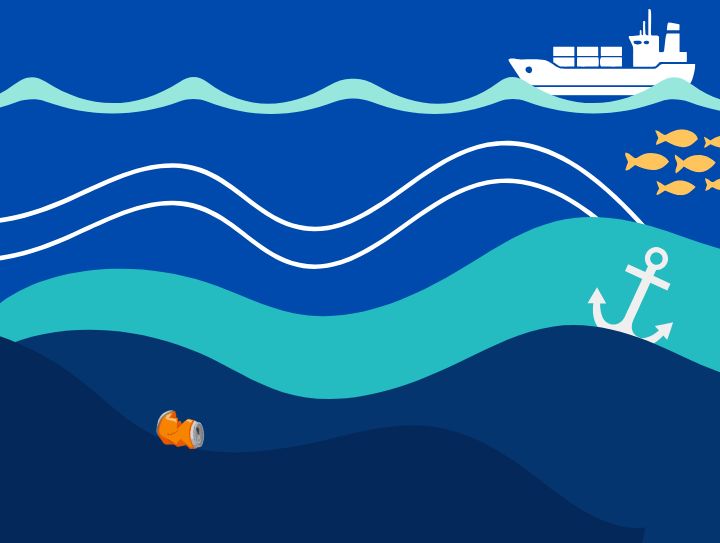
What lies beneath the sea’s surface, and what happens along its shores? Europe’s seas connect people through travel, work and leisure, but much of their geography remains unfamiliar. The European Atlas of the Seas offers an accessible way to investigate these waters through maps, helping everyone from students to curious travellers discover more about marine and coastal environments. The European Commission’s atlas brings together maps on topics including the seabed, fishing, aquaculture, energy, transport and marine litter. Users can start with a ready-made map or combine layers to follow

How do education systems differ across Europe? From digital learning to teachers’ pay, reliable information helps people understand how schools are organised and supported. Eurydice, the European Commission’s network providing information on education systems and policies, has made its datasets discoverable through the European Data Portal. The datasets cover digital education, teachers’ and school heads’ salaries, and measures addressing underachievement in reading, mathematics and science. Previously available exclusively through the Eurydice website, these resources can now also be found
Choosing where to fill up can make a difference to a household’s spending. Fuel prices vary between stations, but comparing them does not have to mean driving from one forecourt to another. Reclamar.es , a Spanish consumer information directory, reuses official open data to help drivers check nearby prices before setting off. Its free Gasolinera Barata tool allows users to search by postcode or town and compare nearby stations for different fuel types, without registering. The service draws on daily price information from Spain’s Ministry for the Ecological Transition and the Demographic
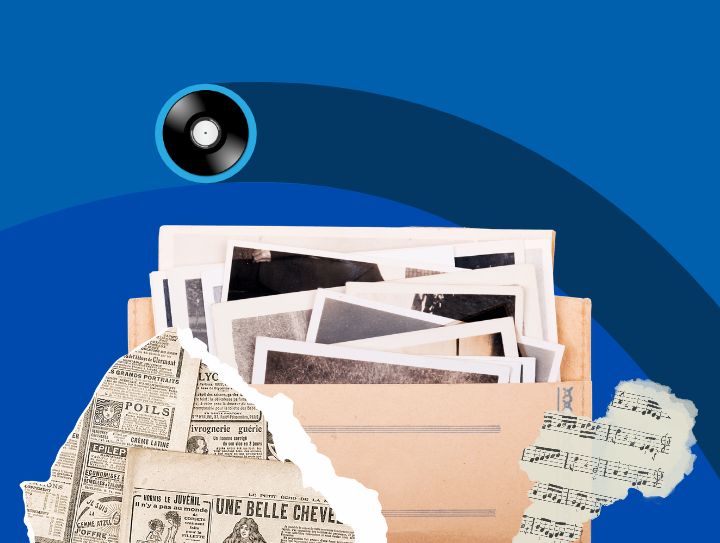
An old photograph, a piece of music or a historic newspaper can offer a new way to discover Europe’s past. Europeana brings together digital cultural heritage from thousands of museums, galleries, libraries and archives. It gives everyone a place to explore collections for learning, creative work or simply the pleasure of finding something unexpected. The website provides access to millions of items covering subjects such as art, archaeology, fashion, science, and sport. Teachers can find material to support lessons, researchers can explore historical sources, and curious visitors can follow
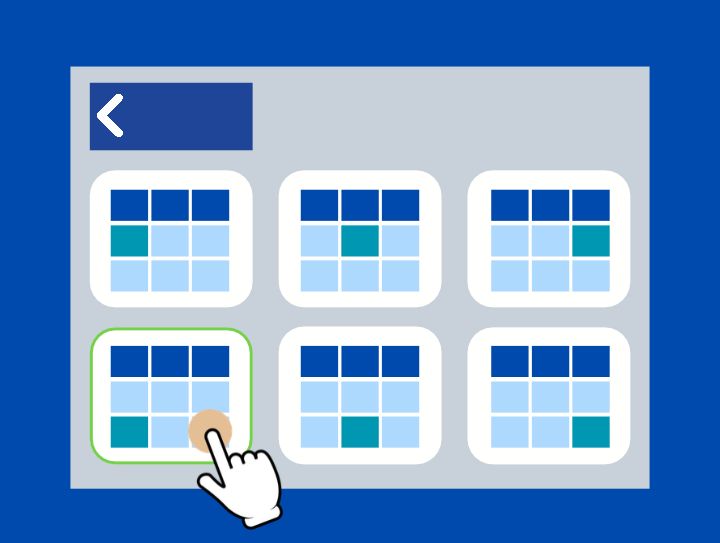
Finding one useful dataset is often only the beginning of a search. You may want to explore related information, look for another source or understand what else is available. The European Data Portal offers a ' similar datasets' feature that gives users another way to continue browsing from a dataset they have already found. On a dataset page, look for the 's imilar datasets' button and select it to view further suggestions. Each suggested record provides a route to another dataset, where you can read its description and explore the available resources. For example, the European Union budget
Understanding which rules apply to a building can take time, especially when requirements depend on when it was built. Vienna’s Bauwerksbuch Fristencheck Wien offers property owners and managers a starting point. The free application helps users check whether their building may need a statutory building logbook and which deadlines may apply. A building logbook documents the building and sets out inspections of safety-related parts. Developed by a Vienna-based building specialist, the application combines information entered by users with rules based on the Vienna Building Code . Users provide