Open Data in Europe 2025
The open data maturity (ODM) assessment is an annual exercise conducted to measure the progress of European countries in promoting and facilitating the availability and reuse of public sector information. The assessment methodology evaluates developments in open data initiatives across four thematic dimensions: policy, portal, quality and impact. Maturity in these four dimensions is aggregated into an overall score that shows a country’s open data maturity.

The open data maturity (ODM) assessment is an annual exercise conducted to measure the progress of European countries in promoting and facilitating the availability and reuse of public sector information. The assessment methodology evaluates developments in open data initiatives across four thematic dimensions: policy, portal, quality and impact. Maturity in these four dimensions is aggregated into an overall score that shows a country’s open data maturity.


Recommendations
To identify affinities, the participating countries are grouped into four clusters based on their overall maturity scores. Countries in the same cluster can discuss strategies to overcome shared challenges. Moreover, countries in less mature clusters can learn from those in more mature clusters. Clustering also enables more focused recommendations to be formulated for each group of countries.
Cluster motto:
Build momentum for open data progress
Develop a national strategy for open data and align it with broader strategies at the national level (e.g. digital strategies and strategies for the modernisation of the public sector). Ensure the development of legal frameworks and ethical guidelines to govern the use of open data and generally safeguard sensitive and personal information.
Key example
Malta’s Public Administration Data Strategy 2023–2027, inspired by its Economic Vision 2021–2031, National Digital Strategy and Five-Year Strategy for the Public Service, addresses key data challenges and developments. Its vision is to create a data-empowered society with transparent, effective and regulated data governance. The strategy aims to enhance public trust and accountability by making government data more accessible while fostering innovation and economic growth by enabling businesses to use public data for new products and services. Key steps include improving data accessibility through user-friendly formats, collaborating with stakeholders to prioritise valuable datasets and establishing clear governance structures. It also promotes international standards for data publication to ensure consistency and interoperability across platforms.
Example provided by
Malta
 Rally support for the open data programme and political leadership within the top level of government. Showcase international research around the value of open data to emphasise the economic benefits of data exploitation. Use high-value datasets as a point of focus.
Establish a national-level team in charge of open data to ensure coordination of activities within the country and set up roadshows to increase understanding of the team’s scope and activities among primary public administrations. Include all levels of government in this process.
Key example
Rally support for the open data programme and political leadership within the top level of government. Showcase international research around the value of open data to emphasise the economic benefits of data exploitation. Use high-value datasets as a point of focus.
Establish a national-level team in charge of open data to ensure coordination of activities within the country and set up roadshows to increase understanding of the team’s scope and activities among primary public administrations. Include all levels of government in this process.
Key example
Croatia fosters collaboration across government bodies through the Working Group for the Coordination of State Information Infrastructure Projects and Digital Transformation. This group, which includes representatives from various governmental entities responsible for digitalisation, such as the open data team and open data officers, meets regularly to discuss updates and share progress on digital transformation initiatives.
Example provided by
Croatia
 Organise a series of open data events at the national level and focus on engaging both data publishers and reusers in your country. Prioritise the promotion of reuse cases and best practices for data publication during such events.
Key example
Organise a series of open data events at the national level and focus on engaging both data publishers and reusers in your country. Prioritise the promotion of reuse cases and best practices for data publication during such events.
Key example
Czechia hosts multiple national open data events to involve both data publishers and reusers. The data team of Czechia’s Digital and Information Agency organises an annual data conference that brings together public sector providers and open data users to present reuse cases, share best practices and exchange knowledge. In the health sector, the Institute of Health Information and Statistics holds a yearly conference focused on open health data, attracting participants from public bodies, journalism, academia, civil society and businesses. Additionally, at least five hackathons are organised annually by public institutions, culminating in a national final round, which fosters collaboration between data providers and data enthusiasts.
Example provided by
Czechia
 Set up relevant communication channels and assign contact people for data publication within public administrations (e.g. open data liaison officers). Maintain an active dialogue with data officers and enable regular exchanges of knowledge among them, focusing on efficient online channels and face-to-face meetings
Key example
Set up relevant communication channels and assign contact people for data publication within public administrations (e.g. open data liaison officers). Maintain an active dialogue with data officers and enable regular exchanges of knowledge among them, focusing on efficient online channels and face-to-face meetings
Key example
In Bulgaria, the Network of Open Data Liaison Officers is made up of representatives of all Bulgarian public authorities, coordinated by the national open data team. The network meets periodically to discuss the promotion and monitoring of open data within their organisations and with stakeholders. The national open data team also uses this network to send information to all public bodies, such as information about events, training, new portal features and support. The members of this network are also the points of contact for specific enquiries about the reuse of data published by their organisation, ensuring that responses are provided to requests and questions.
Example provided by
Bulgaria
 Identify the primary data holders in the country and understand their main concerns and their perceived barriers to data publication. Take the first steps towards overcoming these barriers and unlocking the publication of data.
Key example
Identify the primary data holders in the country and understand their main concerns and their perceived barriers to data publication. Take the first steps towards overcoming these barriers and unlocking the publication of data.
Key example
In Luxembourg, various activities are implemented to assist data owners in opening their datasets. For example, advisory meetings are held where data owners discuss their datasets and inventory documents, allowing for the identification of obstacles that may have hindered data openness. The team offers legal guidance and technical support, develops custom harvester scripts, assists data owners in creating automated publication scripts and maintains centralised infrastructures (e.g. the national Inspire platform, the national geoportal and the HVD4Gov platform). These efforts streamline the preparation, description, modification and publication of data, ensuring efficient and accessible data sharing. These infrastructures establish a clear workflow that ensures data becomes accessible as open data, and that it is searchable, downloadable or usable via application programming interfaces and web services on the national open data portal.
Example provided by
Luxembourg
 Organise workshops and awareness-raising sessions with the primary data holders. Use materials already developed in other countries and at the European level for content and as a source of inspiration.
Key example
Organise workshops and awareness-raising sessions with the primary data holders. Use materials already developed in other countries and at the European level for content and as a source of inspiration.
Key example
Portugal fosters engagement with key data holders through various initiatives, including webinars, workshops, public presentations, datathons and hackathons, to promote dialogue and encourage public bodies to monitor the reuse of their published data. Examples include events such as the webinar ‘Power of open data availability: Success stories and lessons learned’, the High-Value Datasets workshop and Open Data Day. Additionally, direct contact with data publishers via the national data portal is maintained to monitor portal activity and incentivise public entities to track user engagement.
Example provided by
Portugal
 Begin promoting HVDs by adding a section that explains their significance and gradually labelling relevant datasets to increase their visibility and encourage reuse on the portal.
Key example
Begin promoting HVDs by adding a section that explains their significance and gradually labelling relevant datasets to increase their visibility and encourage reuse on the portal.
Key example
In Slovenia, the Decree on Communication and Re-use of Public Sector Information of Public Character further specifies a list of national databases that qualify as high-value datasets. The decree introduces metadata schema enhancements, allowing each database of high-value datasets to be clearly identified. As a result, users can easily filter and access these databases on the national open data portal and view all high-value datasets.
Example provided by
Slovenia
 Start by applying established standards and reusing existing guidelines and approaches from the European level. Promote the use of DCAT-AP for metadata and standard licences such as CC BY for data. Learn from European best practices, for example those collected in the ODM assessment, and reach out to colleagues in other countries, especially when setting out to create such guidelines.
Key example
Start by applying established standards and reusing existing guidelines and approaches from the European level. Promote the use of DCAT-AP for metadata and standard licences such as CC BY for data. Learn from European best practices, for example those collected in the ODM assessment, and reach out to colleagues in other countries, especially when setting out to create such guidelines.
Key example
Finland provides comprehensive guidance on its national open data portal regarding the publication of data and metadata. The page includes a summary of relevant terminology; reasons metadata is important; how to publish data with its relevant metadata; and best practices from other public organisations. Additionally, it provides resources such as training courses on improving the quality of open data and its metadata.
Example provided by
Finland
 Ensure you build and maintain a modern portal that enables the publication and discoverability of open data. Scout for European best practices and compare solutions to choose the most adequate ones to support your scope and mission. Set up dedicated news and blog sections to promote relevant developments and showcase reuse. Ensure feedback channels are integrated into the national portal. Be aware of users’ rights and privacy while performing web analysis and choose your technology carefully.
Key example
Ensure you build and maintain a modern portal that enables the publication and discoverability of open data. Scout for European best practices and compare solutions to choose the most adequate ones to support your scope and mission. Set up dedicated news and blog sections to promote relevant developments and showcase reuse. Ensure feedback channels are integrated into the national portal. Be aware of users’ rights and privacy while performing web analysis and choose your technology carefully.
Key example
Lithuania prioritises optimising search and discoverability on its open data portal. The team measures how efficiently users can locate datasets by tracking the number of steps required and identifying the most intuitive filters. Continuous improvements to the search engine focus on accuracy and relevance, supported by refined indexing and user feedback. New filtering options are regularly introduced to enable more detailed searches. A strong emphasis is placed on metadata quality, ensuring datasets are described with consistent, rich metadata to boost visibility both within the portal and through external search engines like Google.
Example provided by
Lithuania
 Ensure that the national open data strategy guarantees the scoping, management and funding of the portal. Use action plans that mention concrete activities and the entities or people responsible for ensuring the strategy can be carried out. Ensure sufficient resources are allocated to open data awareness-raising activities involving publishers and potential reusers.
Key example
Ensure that the national open data strategy guarantees the scoping, management and funding of the portal. Use action plans that mention concrete activities and the entities or people responsible for ensuring the strategy can be carried out. Ensure sufficient resources are allocated to open data awareness-raising activities involving publishers and potential reusers.
Key example
A significant initiative supporting Ireland’s goals is the Open Data Engagement Fund, which provides funding for projects aimed at enhancing the availability and use of open data. This includes outreach and advocacy activities, such as seminars, workshops and conferences, to encourage public bodies to release and use open data. The fund also supports innovative uses of open data, such as the creation of apps, new products or services, hackathons and interactive visualisations, leveraging data from data.gov.ie either alone or combined with other sources. Additionally, it finances research and special projects that use specific datasets to improve efficiency in public bodies, inform government decision-making and explore pressing social issues such as housing, the environment and transport.
Example provided by
Ireland
 Organise short sessions or presentations to explain why measuring reuse and impact matters, using simple examples from other countries. Reach out to universities or civic tech groups to identify potential collaborators who can help uncover early reuse cases or provide guidance.
Key example
Organise short sessions or presentations to explain why measuring reuse and impact matters, using simple examples from other countries. Reach out to universities or civic tech groups to identify potential collaborators who can help uncover early reuse cases or provide guidance.
Key example
Denmark’s Agency for Digital Government actively promotes awareness of open data reuse and impact by participating in national and regional events. In 2024, the agency presented a poster on open data reuse and impact at Denmark’s leading data science conference (D3A) and hosted a workshop session on the Danish public data landscape. In 2025, the agency continued its outreach by delivering presentations to students at the IT University of Copenhagen and engaging with international networks in Albania, Czechia and Luxembourg.
Example provided by
Denmark

Cluster motto:
Establish open data foundations and aim for higher quality
Update the national strategy on open data to reflect technical and policy developments at the EU level, including on HVDs (Commission Implementing Regulation (EU) 2023/138) and the latest versions of the DCAT-AP such as release 3.0 of the main profile and its specific extensions such as DCAT-AP for HVDs and StatDCAT-AP, for statistical datasets.
Key example
Denmark updates its national open data strategy through continuous improvement at the operational, strategic and international levels. The team managing the portal focuses on onboarding authorities, leveraging political agendas and aligning with EU standards, such as by harmonising metadata and interpreting legal requirements. Strategic direction is shaped at two levels: national and joint government. At the national level, EU legislation is incorporated into Danish law, guiding decisions such as reusing the national data portal for Data Governance Act purposes. Funding and political support are driven by national digital government strategies and state budget allocations. At the joint government level, municipalities, regions and the national government collaborate on four-year digital government strategies. These strategies offer opportunities to adapt open data policies in response to legislative changes, political priorities, technological advancements and past experiences.
Example provided by
Denmark
Set up a governance structure that accounts for the characteristics of your country. Engage potential reuse groups (e.g. data-gathering companies, research institutions, non-governmental organisations) in open data governance in your country. This will enable co-ownership around a common vision and buy-in for the actions of each sector.
Key example
In Estonia, a comprehensive governance structure is in place to facilitate the participation and inclusion of various open data stakeholders. Firstly, the Ministry of Justice and Digital Affairs leads open data policy and has established an Interdepartmental Open Data Working Group, along with a Data Stewards Steering Group, to coordinate its network of over 600 public sector officials through information sharing, surveys and event promotion (e.g. the annual Open Data Forum and specialised workshops), ensuring participation and collaboration across sectors.
- Interdepartmental Open Data Working Group. This group includes members from multiple public sector organisations and ministries. It meets regularly and welcomes participation from a broad network of approximately 600 data-related experts, along with non-members from civil society, private companies and academia, to share updates, exchange experiences and discuss upcoming developments.
- Data Stewards Steering Group. Brings together data stewards from various public authorities to ensure the sustainable and balanced development of the data field. This group focuses on topics such as data retrieval, data quality improvement, data reuse, data life cycle management and data protection requirements.
Example provided by
Estonia
 Develop a yearly plan for online activities (e.g. events, conferences) to promote open data. Focus on formats that encourage publication and reuse by both the public and private sectors. Experiment with formats that both leverage creativity (e.g. hackathons) and enable the development of business opportunities for medium- to long-term engagements (e.g. data challenges). Ensure funding and political sponsorship for the winning ideas. Promote and monitor the performance of products and services that are developed.
Key example
Develop a yearly plan for online activities (e.g. events, conferences) to promote open data. Focus on formats that encourage publication and reuse by both the public and private sectors. Experiment with formats that both leverage creativity (e.g. hackathons) and enable the development of business opportunities for medium- to long-term engagements (e.g. data challenges). Ensure funding and political sponsorship for the winning ideas. Promote and monitor the performance of products and services that are developed.
Key example
The Ministry of Digital Transformation of Ukraine organises various events to engage with civil society on topics such as open data’s role in the low-carbon economy. The ministry launched the Open Data for Business series on the Diya.Osvita platform, explaining open data’s benefits for business development. Additionally, educational training sessions on Open Data for the Public and Business were held to teach activists, journalists and researchers how to use open data for transparency and research. A training course for journalists was also launched, focusing on data analysis and visualisation skills.
Example provided by
Ukraine
 Start collecting examples of how open data is being reused, even informally, to build internal awareness and momentum. Use basic analytics tools: leverage portal statistics (e.g. downloads, views) to begin tracking usage patterns and identify high-interest datasets. Conduct short interviews or surveys with known data users to understand their needs and the value they derive from open data. Promote reuse cases more prominently, ideally on the home page, and encourage the community to share their examples.
Key example
Start collecting examples of how open data is being reused, even informally, to build internal awareness and momentum. Use basic analytics tools: leverage portal statistics (e.g. downloads, views) to begin tracking usage patterns and identify high-interest datasets. Conduct short interviews or surveys with known data users to understand their needs and the value they derive from open data. Promote reuse cases more prominently, ideally on the home page, and encourage the community to share their examples.
Key example
In France, the ministerial roadmaps on data, algorithms and source code policy include 19 commitments specifically focused on fostering community engagement and knowledge exchange with data reusers, civil-society organisations, academia, journalists and businesses. The central open data team within Etalab plays a pivotal role in facilitating these exchanges. Key activities include the following.
- Participating in events organised by the French Information Industry Grouping and its Working Group on Open Data. This includes discussions and knowledge sharing on open data policies and practices (more details are available at GFII Open Data Group).
- Engaging with data producers and reusers prior to implementing data schemas and publishing them on the schema.data.gouv.fr platform. An example of such discussions can be found here.
- Gathering feedback from users of the national open data portal, data.gouv.fr, particularly regarding the portal’s features and user experience. A group of beta testers has been established to provide ongoing feedback.
- Organising public demonstrations at which Etalab presents its latest advancements on the data.gouv.fr portal. These demonstrations not only showcase progress but also serve as an additional platform for public agents to collect feedback from both data reusers and data providers.
Example provided by
France
 Encourage the network of open data liaison officers to set up data publication plans and monitor progress against these plans. Enable the open data officers to exchange knowledge and experiences between public sector bodies and with the broader network of reusers. Deepen the understanding within the network of open data officers of the benefits of open data reuse by the public sector.
Key example
Encourage the network of open data liaison officers to set up data publication plans and monitor progress against these plans. Enable the open data officers to exchange knowledge and experiences between public sector bodies and with the broader network of reusers. Deepen the understanding within the network of open data officers of the benefits of open data reuse by the public sector.
Key example
Serbia enhances the competencies of open data liaison officers through structured, recurring training. The national open data team organises training sessions at least once per quarter to strengthen skills and knowledge across the network. For example, in October 2024, a workshop was held with a focus on holders of high-value datasets, helping them unlock the potential of these resources. In March 2025, another session targeted new members of the Open Data Working Group, providing guidance on responsibilities and best practices.
Example provided by
Serbia
 Ensure that existing open data courses and training materials are leveraged, and cooperate with public administrations and training organisations to develop open data training curricula for national, regional and local administrations. Enable such courses to be formally recognised and provide certification upon completion. Ensure that financial resources are allocated at all administrative levels to training activities for civil servants working with data.
Key example
Ensure that existing open data courses and training materials are leveraged, and cooperate with public administrations and training organisations to develop open data training curricula for national, regional and local administrations. Enable such courses to be formally recognised and provide certification upon completion. Ensure that financial resources are allocated at all administrative levels to training activities for civil servants working with data.
Key example
Estonia is implementing a comprehensive strategy for strengthening the data skills of its civil servants and ensuring effective data management and open data practices across the public sector. These training courses cover key areas such as data quality and open data publication, contributing to improved national open data standards. They have already had open data licensing training provided by Creative Commons and a data working group webinar. Estonia has also introduced detailed competence profiles for data engineers and analysts and is currently developing one for data stewards. These profiles serve as the foundation for nationwide training programmes and provide input for higher education curricula, ensuring future civil servants are equipped with relevant skills.
Example provided by
Estonia
Enable meetings and engagement between reusers and publishers. Develop a deeper understanding of the demand side of open data and work with data providers to prioritise data publication in line with this demand.
Key example
To foster collaboration and knowledge exchange between open data publishers and reusers, Spain regularly organises a variety of engagement events. These include national and international conferences, thematic forums and working group meetings. Examples are the national open data meetings, the annual ASEDIE conference on the reuse of public sector information and the government and autonomous communities forum on data. Additionally, specialised gatherings such as the Iberian conference on spatial data infrastructures and meetings of the Spatial Data Infrastructure Working Group bring together universities, businesses and public administrations to share best practices and strengthen collaboration.
Example provided by
Spain
 Use editorial tools, such as labels or tags, to increase the visibility of high-value datasets on the portal and encourage reuse by enabling users to filter specifically for these datasets. It would be beneficial to include a dedicated section on the portal that provides users with the latest updates and a clear overview of high-value datasets and their significance.
Key example
Use editorial tools, such as labels or tags, to increase the visibility of high-value datasets on the portal and encourage reuse by enabling users to filter specifically for these datasets. It would be beneficial to include a dedicated section on the portal that provides users with the latest updates and a clear overview of high-value datasets and their significance.
Key example
In Poland, several guidelines and tools are in place to assist data publishers in ensuring the publication of high-quality metadata. The following resources are available.
- Manual for data providers. This manual offers detailed instructions on how to publish data on the national data portal. It serves as a comprehensive guide for data providers on best practices in metadata creation and management.
- Open data programme for the years 2021–2027. This document, along with its Annex No 2 (‘Technical standard’), outlines the minimum technical requirements that data must meet to ensure consistency and quality across datasets. It is a crucial reference for use in maintaining high standards in metadata.
- Multimedia training materials. These resources provide additional guidance through video tutorials and other multimedia formats, making it easier for providers to understand and implement the guidelines.
- Tools. A data validator and data quality verifier are available to assist in monitoring and verifying the quality of metadata. These tools help ensure that the published metadata adheres to the required standards and is of high quality.
Example provided by
Poland
 Analyse portal usage to better understand user behaviour and improve engagement. Conduct regular updates to the portal to reflect users’ needs. Include features such as feedback and interaction mechanisms at the dataset level, designated login areas for users, access via SPARQL queries and application programming interfaces in general.
Key example
Analyse portal usage to better understand user behaviour and improve engagement. Conduct regular updates to the portal to reflect users’ needs. Include features such as feedback and interaction mechanisms at the dataset level, designated login areas for users, access via SPARQL queries and application programming interfaces in general.
Key example
Lithuania places strong emphasis on the continuous improvement of its national portal, actively incorporating feedback received via social media and direct contact. Recent developments include enhancements to the user interface, API functionality and task management tools for institutional coordinators. The portal team also uses GitHub to log issues and track potential improvements, applying a ticketing-style approach to manage updates transparently.
Example provided by
Lithuania
Increase understanding of the variety of data that your portal has (e.g. historical and current data) and work towards improving it. Identify data holders that do not publish their data or do not reach their full potential. Understand what kinds of friction they are experiencing and plan to address these issues. Enable publication of real-time data in your country.
Key example
In Portugal, the national open data portal (dados.gov.pt) provides a dedicated ‘quality’ box within the administration area to help users improve the quality of their published dataset’s metadata. This tool offers an overview of how well the dataset’s metadata is structured, highlighting areas that could be enhanced to improve discoverability and reuse. The system automatically analyses the metadata for each dataset, assessing whether it has been correctly filled in. Based on this analysis, it suggests improvements such as adding more accurate and detailed descriptions, including additional tags or attaching resources in more open, machine-readable formats. This proactive approach to monitoring and enhancing metadata quality ensures that contributors can easily publish high-quality, reusable data, benefiting the broader open data ecosystem.
Example provided by
Portugal
Provide training and online materials focusing on metadata and data quality. Promote the DCAT-AP standard and the use of its controlled vocabularies and existing guidelines to foster compliance. Create an understanding of the importance of publishing data in machine-readable, non-proprietary formats and of the licensing of data. Develop knowledge around existing open-source tools for cleaning up data, specifically the use of validators for metadata compliance.
Key example
France has taken extensive measures to guarantee that its national catalogue presents correct DCAT-AP descriptions of datasets, particularly in the context of high-value dataset reporting. The first approach involved leveraging the SEMIC ISO 19139 to DCAT-AP XSLT as the main interoperability solution for harvesting metadata from decentralised or thematic geographical platforms. This required in-depth studies of common issues, such as licences, data services, contact points and other responsible parties, which were addressed either at the metadata level or during harvesting.
To ensure proper interpretation by the European Data Portal (data.europa.eu), France validated its DCAT-AP publication using SPARQL reporting endpoints to list required metadata fields. This process revealed inconsistencies in the national catalogue’s published metadata, which have since been corrected, strengthening compliance and interoperability. In addition, France organises regular training sessions, both general and sector-specific, to guide publishers in using the best practices for data and metadata publication.
Example provided by
France
Cluster motto:
Build strong open data networks and drive impactful reuse
Assist in the development of open data initiatives at the local and regional levels and seek to achieve better coordination with local and regional open data teams.
Key example
Croatia has introduced a multi-stakeholder governance body to strengthen the implementation of its Open Data Policy through the Coordination Body for the Implementation of the Open Data Policy. Established in 2025, this body is responsible for monitoring compliance, improving data accessibility and supporting public authorities in making data openly available and reusable. The body includes representatives from the Ministry of Justice, Public Administration and Digital Transformation, the Office of the Information Commissioner and the State Geodetic Administration. It can also form working groups for specific objectives or thematic areas, bringing together local and regional authorities, academia, the private sector and civil society. In addition, the body drafts and updates the action plan for open data policy, monitors its implementation and issues guidelines for opening public sector data.
Example provided by
Croatia
Activate the network of open data officers and enable them to set up monitoring activities within their organisation (e.g. by developing plans for data publication and monitoring practices). Track progress against these plans and assist open data officers in alleviating barriers to data publication identified in their organisations.
Key example
Estonia has a strong governance structure for open data led by the Ministry of Justice and Digital Affairs, which coordinates efforts through an Interdepartmental Open Data Working Group and the Data Stewards Steering Group. These bodies engage over 600 public sector officials and stakeholders from civil society, academia and the private sector, fostering collaboration through events such as the Open Data Forum. The working group meets regularly to share updates and discuss developments, while the Data Stewards Steering Group focuses on sustainable data practices, including data quality, reuse, life-cycle management and protection.
Example provided by
Estonia
Ensure that existing open data courses and training materials are promoted and used. Cooperate with training organisations to develop new course offerings tailored to the needs of your national, regional and local administrations. Make such courses formally recognised and provide certification upon successful completion. Ensure that financial resources are allocated at all administrative levels to enable more civil servants to benefit from training.
Key example
In Croatia, the Central State Office for the Development of Digital Society and the Information Commissioner play key roles in supporting public authorities and users in the process of publishing open data. As government bodies responsible for promoting and facilitating the publication of open data at both the national and the local level, they provide assistance through the following activities:
- they organise webinars to train public authorities and stakeholders on open data, metadata publishing and data management;
- they provide guidelines to help public authorities with best practices for reusing open data and ensuring its quality.
- they offer direct communication and technical and legal support to help authorities comply with laws and manage data on the national open data portal.
Example provided by
Croatia
Focus on organising activities that better target the delivery of sustainable solutions. Move beyond creativity-stimulating competition formats (e.g. hackathons) to formats that provide opportunities for the medium- to long-term engagement of businesses. Ensure funding and political sponsorship (e.g. by having an organisation serve as a patron) for the winning ideas.
Promote and follow up on the performance of products and services built on open data. Consider highlighting the developers of these reuse cases. Focus resources on a relevant field or sector to demonstrate impact and use the specifications on HVDs for prioritisation. Set up thematic work groups in these areas. Increase your knowledge on the publication and reuse of data in the domain you have chosen to focus on and start thinking about a definition of impact in this field that can be operationalised through metrics. Create a framework for knowledge exchange and enable the development of a community of practice made up of providers and reusers.
Key example
The Norwegian Offshore Directorate commissioned an impact assessment to quantify the economic value of its open data strategy. Managing one of the world’s largest petroleum data repositories, the directorate evaluated how open access to datasets – such as FactPages and FactMaps (wells, fields, licenses), geophysical and seismic surveys, the CO2 Storage Atlas and seabed mineral survey data – supports value creation on the Norwegian continental shelf. The study, conducted by Menon Economics, focused on key stakeholders including petroleum licensees, operators, service companies and research institutions that rely on high-quality geological and operational data for exploration and innovation. Findings revealed that open data generates annual gains of approximately NOK 1.5 billion through time and resource savings, improved data quality and accelerated decision-making. Beyond immediate economic benefits, the report underscores the strategic role of these datasets in enabling future industries such as carbon capture and storage and seabed mineral extraction, reinforcing Norway’s leadership in the sustainable energy transition.
Example provided by
Norway
 Monitor access to and use of the portal and enhance knowledge in your team on the profiles of your portal’s typical users. Update the portal to engage your audience better. Include features that enable online interaction between data publishers and reusers. Showcase reuse examples prominently on the national portal and promote the datasets used to develop those reuse cases. Consider the opportunity to promote the developers as well.
Key example
Monitor access to and use of the portal and enhance knowledge in your team on the profiles of your portal’s typical users. Update the portal to engage your audience better. Include features that enable online interaction between data publishers and reusers. Showcase reuse examples prominently on the national portal and promote the datasets used to develop those reuse cases. Consider the opportunity to promote the developers as well.
Key example
Albania has implemented a large-scale revamp of its national open data portal, improving usability, transparency and user engagement. The updated portal now features a dataset rating system (1–5 stars), a dedicated news section on open data topics and multiple notification options including RSS, Atom feed and email. Users can follow the progress of their data requests, which are actively monitored and summarised in publicly available reports. A newly introduced reuse section showcases practical applications of datasets, with direct links to the source data and the option for users to submit their own reuse cases. To better understand and respond to user needs, the portal team tracks search keywords, analyses traffic and conducts user surveys and workshops.
Example provided by
Albania
 Enhance the national portal’s promotion of high-value datasets by adding advanced filtering options, allowing users to navigate and explore datasets across the six high-value-dataset categories. Create dedicated sections on the portal where users can browse all available high-value datasets, learn about their importance and stay informed on the latest advancements in the field. As a best practice, consider studying the applications of these high-value datasets in depth to identify impactful reuse cases and showcase them on the portal to drive broader awareness and engagement.
Key example
Enhance the national portal’s promotion of high-value datasets by adding advanced filtering options, allowing users to navigate and explore datasets across the six high-value-dataset categories. Create dedicated sections on the portal where users can browse all available high-value datasets, learn about their importance and stay informed on the latest advancements in the field. As a best practice, consider studying the applications of these high-value datasets in depth to identify impactful reuse cases and showcase them on the portal to drive broader awareness and engagement.
Key example
The processes to monitor and measure the reuse of high-value datasets often involve using national portals for data management, legislative requirements for metadata provision and structured reporting mechanisms. For example, in Hungary, governmental bodies monitor the availability and reuse of high-value datasets primarily through the National Open Data Portal. Act CI of 2023 (on the system for using national data assets and individual services) mandates that all public bodies provide metadata to the national portal, facilitating oversight. The National Data Asset Management Agency serves as a central contact point for requests relating to high-value datasets.
Example provided by
Hungary
 Address any requirements for implementing the Open Data Directive in your country that lag behind in terms of features, such as revising and enhancing the portal’s support for sources of real-time data. Identify the primary holders of real-time data and promote the publication of their data beyond the minimum requirements specified by law. Understand the concerns and costs of publication and work with publishers to enable the data publication process.
Enforce minimum standards on the quality of data by using analytics tools to monitor data publication – for both metadata (compliance with DCAT-AP) and data (publication formats). Develop validation processes for your national portal and report back to data providers. Act on the findings and provide tailored assistance to publishers to increase the quality of publication of both metadata and data. Explore the use of tools powered by artificial intelligence to improve metadata quality and automate the detection of issues.
Key example
Address any requirements for implementing the Open Data Directive in your country that lag behind in terms of features, such as revising and enhancing the portal’s support for sources of real-time data. Identify the primary holders of real-time data and promote the publication of their data beyond the minimum requirements specified by law. Understand the concerns and costs of publication and work with publishers to enable the data publication process.
Enforce minimum standards on the quality of data by using analytics tools to monitor data publication – for both metadata (compliance with DCAT-AP) and data (publication formats). Develop validation processes for your national portal and report back to data providers. Act on the findings and provide tailored assistance to publishers to increase the quality of publication of both metadata and data. Explore the use of tools powered by artificial intelligence to improve metadata quality and automate the detection of issues.
Key example
In Poland, several guidelines and tools are in place to assist data publishers in ensuring the publication of high-quality metadata. The following resources are available.
- Manual for data providers. This manual offers detailed instructions on how to publish data on the national data portal. It serves as a comprehensive guide for data providers on best practices in metadata creation and management.
- Open data programme for the years 2021–2027. This document, along with its Annex No 2 (‘Technical standard’), outlines the minimum technical requirements that data must meet to ensure consistency and quality across datasets. It is a crucial reference for use in maintaining high standards in metadata.
- Multimedia training materials. These resources provide additional guidance through video tutorials and other multimedia formats, making it easier for providers to understand and implement the guidelines.
- Tools. A data validator and data quality verifier are available to assist in monitoring and verifying the quality of metadata. These tools help ensure that the published metadata adheres to the required standards and is of high quality.
Example provided by
Poland
Cluster motto:
Strengthen open data ecosystems, prioritise high-value datasets and ensure metadata quality
Enhance and consolidate the open data ecosystems you support by developing thematic communities of providers and reusers. Continue to prioritise HVDs within the six specified categories, in line with the requirements.
Key example
RUDI (Rennes Urban Data Interface) is a local initiative by Rennes Métropole designed to create a collaborative data-sharing environment that connects public authorities, private actors and civil society. Rather than functioning as a simple open data portal, RUDI operates as a federated platform where multiple stakeholders can contribute, access and reuse data under clear governance rules. Its participatory model ensures that citizens are involved in decision-making about data use, while technical features like interoperability standards, metadata harmonisation and open-source tools enable seamless integration across thematic domains such as mobility, energy and environment. These domains correspond to several categories of high-value datasets, meaning RUDI also facilitates access to data that is considered high-value under European requirements. By combining governance, technology and community engagement, RUDI exemplifies a mature and robust open data ecosystem.
Example provided by
France
Steer the network of open data officers to enable data-driven policymaking at their level of government, delegating and decentralising monitoring activities. Maintain the connection between the national strategy and objectives and the needs of agencies and local authorities, with these needs expected to gain prominence over time.
Key example
Estonia has a strong governance structure for open data led by the Ministry of Justice and Digital Affairs, which coordinates efforts through an Interdepartmental Open Data Working Group and the Data Stewards Steering Group. These bodies engage over 600 public sector officials and stakeholders from civil society, academia and the private sector, fostering collaboration through events such as the Open Data Forum. The working group meets regularly to share updates and discuss developments, while the Data Stewards Steering Group focuses on sustainable data practices, including data quality, reuse, life-cycle management and protection.
Example provided by
Estonia
Collaborate with the European Data Portal and other national data teams to implement an impact assessment framework for open data. The European Data Portal is currently developing, in collaboration with countries, an impact assessment framework and accompanying toolkit that countries can implement and adapt to their national context. Start developing country-specific metrics to measure impact in domains that align with national priorities. Operationalise monitoring metrics and evaluating impact. Rely on a mix of methods (e.g. ex ante and ex post analyses, structured/semi-structured interviews, use cases, log analyses from the national portal) to gain a variety of insights. Improve your methods iteratively over time.
Key example
Ukraine’s Ministry of Digital Transformation has implemented a structured impact assessment framework to evaluate the societal and governance benefits of open data initiatives. Drawing on international best practices such as New York University’s GovLab open data impact framework, the approach emphasises qualitative research methods to capture nuanced outcomes. Impact studies typically begin with either a bottom-up analysis – examining a broad set of open datasets within a domain – or a top-down focus on specific governmental bodies or sectors like health, ecology or regulation. The methodology relies on interviews and focus groups with key stakeholders, including public officials, data scientists, non-governmental organisations, journalists and civic activists, to understand how open data is used and what value it creates. Assessment criteria include corruption prevention, enabling civic engagement tools, user adoption metrics and improvements in social standards.
Example provided by
Ukraine
Invest in the portal so that you can use new workflows and tools that enable a better understanding of your users’ profiles and needs while preserving their privacy. Ensure that the portal supports community contributions, including user-submitted datasets, reuse cases and blog content.
Key example
Each dataset on Sweden’s national portal includes a dedicated section where users can discuss the data and ask questions. Additionally, every dataset features a feedback button that links to the community, which allows users to contact the publishing organisation for enquiries, feedback and requests regarding the information on this page. Users can also contact the dataset owner directly through the contact information provided on each data page.
Example provided by
Sweden
 Continue to improve the quality of data and its metadata by boosting the use of tools on your portal (e.g. for metadata validation). Explore the use of tools powered by artificial intelligence to improve metadata quality. Enable automated notifications to publishers to alert them to issues.
Lead by example in improving data and metadata quality by applying domain-specific standards to harmonise datasets and ensuring that high-value datasets fully comply with both metadata and data requirements. Apply the same approach to other datasets of significant value to maximise interoperability, discoverability and reusability. Provide tools to convert data into alternative formats, possibly replacing non-machine-readable, proprietary formats.
After establishing an effective system for annotating and filtering HVDs on the portal, focus on maintaining this system and regularly monitoring dataset usage. Prioritise the understanding of HVD reuse cases and their potential positive impact on society. As part of these efforts, publish and promote successful reuse cases on the portal and regularly interact with data providers and users to better understand their needs and explore potential applications of these datasets. Leverage the momentum created by showcasing the results to rally stronger political support.
Key example
Continue to improve the quality of data and its metadata by boosting the use of tools on your portal (e.g. for metadata validation). Explore the use of tools powered by artificial intelligence to improve metadata quality. Enable automated notifications to publishers to alert them to issues.
Lead by example in improving data and metadata quality by applying domain-specific standards to harmonise datasets and ensuring that high-value datasets fully comply with both metadata and data requirements. Apply the same approach to other datasets of significant value to maximise interoperability, discoverability and reusability. Provide tools to convert data into alternative formats, possibly replacing non-machine-readable, proprietary formats.
After establishing an effective system for annotating and filtering HVDs on the portal, focus on maintaining this system and regularly monitoring dataset usage. Prioritise the understanding of HVD reuse cases and their potential positive impact on society. As part of these efforts, publish and promote successful reuse cases on the portal and regularly interact with data providers and users to better understand their needs and explore potential applications of these datasets. Leverage the momentum created by showcasing the results to rally stronger political support.
Key example
The processes for monitoring and measuring the reuse of high-value datasets often involve using national portals for data management, legislative requirements for metadata provision and structured reporting mechanisms. For example, in Hungary, governmental bodies monitor the availability and reuse of high-value datasets primarily through the National Open Data Portal. Act CI of 2023 (on the system for using national data assets and individual services) mandates that all public bodies provide metadata to the national portal, facilitating oversight. The National Data Asset Management Agency serves as a central contact point for requests relating to high-value datasets.
Example provided by
Hungary
Evaluate options for extending the open data portal such that it serves as a public register of data altruism organisations, or advise your government on which approach would best support new initiatives in this area. Although the ODM assessment focuses on the Open Data Directive (Directive (EU) 2019/1024), open data portals can be leveraged in efforts to implement other items of EU legislation, such as the Data Governance Act (Regulation (EU) 2022/868). For example, open data portals can serve as registers for protected data held by the public sector.
Continue improving search functionality: ensure that improvements in metadata quality translate into better discoverability of datasets, and leverage new tools such as those powered by AI to improve search functionality with the existing quality of metadata.
Work with training institutions to provide advanced open data courses and training, and tailor training curricula to cover more advanced topics. Such training can include guidance on compliance with open data laws and education on data literacy. Make such courses formally recognised and provide certification upon successful completion.
Lisätietoa
Download the files below to dive into the 2025 Open Data Maturity Report and its data in more detail.
2025 Open Data Maturity Report – RecommendationsEnglishLataa
To identify affinities, the participating countries are grouped into four clusters based on their overall maturity scores. Countries in the same cluster can discuss strategies to overcome shared challenges. Moreover, countries in less mature clusters can learn from those in more mature clusters. Clustering also enables more focused recommendations to be formulated for each group of countries.
Cluster motto: Build momentum for open data progress
Malta’s Public Administration Data Strategy 2023–2027, inspired by its Economic Vision 2021–2031, National Digital Strategy and Five-Year Strategy for the Public Service, addresses key data challenges and developments. Its vision is to create a data-empowered society with transparent, effective and regulated data governance. The strategy aims to enhance public trust and accountability by making government data more accessible while fostering innovation and economic growth by enabling businesses to use public data for new products and services. Key steps include improving data accessibility through user-friendly formats, collaborating with stakeholders to prioritise valuable datasets and establishing clear governance structures. It also promotes international standards for data publication to ensure consistency and interoperability across platforms.
Croatia fosters collaboration across government bodies through the Working Group for the Coordination of State Information Infrastructure Projects and Digital Transformation. This group, which includes representatives from various governmental entities responsible for digitalisation, such as the open data team and open data officers, meets regularly to discuss updates and share progress on digital transformation initiatives.
Czechia hosts multiple national open data events to involve both data publishers and reusers. The data team of Czechia’s Digital and Information Agency organises an annual data conference that brings together public sector providers and open data users to present reuse cases, share best practices and exchange knowledge. In the health sector, the Institute of Health Information and Statistics holds a yearly conference focused on open health data, attracting participants from public bodies, journalism, academia, civil society and businesses. Additionally, at least five hackathons are organised annually by public institutions, culminating in a national final round, which fosters collaboration between data providers and data enthusiasts.
In Bulgaria, the Network of Open Data Liaison Officers is made up of representatives of all Bulgarian public authorities, coordinated by the national open data team. The network meets periodically to discuss the promotion and monitoring of open data within their organisations and with stakeholders. The national open data team also uses this network to send information to all public bodies, such as information about events, training, new portal features and support. The members of this network are also the points of contact for specific enquiries about the reuse of data published by their organisation, ensuring that responses are provided to requests and questions.
In Luxembourg, various activities are implemented to assist data owners in opening their datasets. For example, advisory meetings are held where data owners discuss their datasets and inventory documents, allowing for the identification of obstacles that may have hindered data openness. The team offers legal guidance and technical support, develops custom harvester scripts, assists data owners in creating automated publication scripts and maintains centralised infrastructures (e.g. the national Inspire platform, the national geoportal and the HVD4Gov platform). These efforts streamline the preparation, description, modification and publication of data, ensuring efficient and accessible data sharing. These infrastructures establish a clear workflow that ensures data becomes accessible as open data, and that it is searchable, downloadable or usable via application programming interfaces and web services on the national open data portal.
Portugal fosters engagement with key data holders through various initiatives, including webinars, workshops, public presentations, datathons and hackathons, to promote dialogue and encourage public bodies to monitor the reuse of their published data. Examples include events such as the webinar ‘Power of open data availability: Success stories and lessons learned’, the High-Value Datasets workshop and Open Data Day. Additionally, direct contact with data publishers via the national data portal is maintained to monitor portal activity and incentivise public entities to track user engagement.
In Slovenia, the Decree on Communication and Re-use of Public Sector Information of Public Character further specifies a list of national databases that qualify as high-value datasets. The decree introduces metadata schema enhancements, allowing each database of high-value datasets to be clearly identified. As a result, users can easily filter and access these databases on the national open data portal and view all high-value datasets.
Finland provides comprehensive guidance on its national open data portal regarding the publication of data and metadata. The page includes a summary of relevant terminology; reasons metadata is important; how to publish data with its relevant metadata; and best practices from other public organisations. Additionally, it provides resources such as training courses on improving the quality of open data and its metadata.
Lithuania prioritises optimising search and discoverability on its open data portal. The team measures how efficiently users can locate datasets by tracking the number of steps required and identifying the most intuitive filters. Continuous improvements to the search engine focus on accuracy and relevance, supported by refined indexing and user feedback. New filtering options are regularly introduced to enable more detailed searches. A strong emphasis is placed on metadata quality, ensuring datasets are described with consistent, rich metadata to boost visibility both within the portal and through external search engines like Google.
A significant initiative supporting Ireland’s goals is the Open Data Engagement Fund, which provides funding for projects aimed at enhancing the availability and use of open data. This includes outreach and advocacy activities, such as seminars, workshops and conferences, to encourage public bodies to release and use open data. The fund also supports innovative uses of open data, such as the creation of apps, new products or services, hackathons and interactive visualisations, leveraging data from data.gov.ie either alone or combined with other sources. Additionally, it finances research and special projects that use specific datasets to improve efficiency in public bodies, inform government decision-making and explore pressing social issues such as housing, the environment and transport.
Denmark’s Agency for Digital Government actively promotes awareness of open data reuse and impact by participating in national and regional events. In 2024, the agency presented a poster on open data reuse and impact at Denmark’s leading data science conference (D3A) and hosted a workshop session on the Danish public data landscape. In 2025, the agency continued its outreach by delivering presentations to students at the IT University of Copenhagen and engaging with international networks in Albania, Czechia and Luxembourg.
Cluster motto: Establish open data foundations and aim for higher quality
Denmark updates its national open data strategy through continuous improvement at the operational, strategic and international levels. The team managing the portal focuses on onboarding authorities, leveraging political agendas and aligning with EU standards, such as by harmonising metadata and interpreting legal requirements. Strategic direction is shaped at two levels: national and joint government. At the national level, EU legislation is incorporated into Danish law, guiding decisions such as reusing the national data portal for Data Governance Act purposes. Funding and political support are driven by national digital government strategies and state budget allocations. At the joint government level, municipalities, regions and the national government collaborate on four-year digital government strategies. These strategies offer opportunities to adapt open data policies in response to legislative changes, political priorities, technological advancements and past experiences.
In Estonia, a comprehensive governance structure is in place to facilitate the participation and inclusion of various open data stakeholders. Firstly, the Ministry of Justice and Digital Affairs leads open data policy and has established an Interdepartmental Open Data Working Group, along with a Data Stewards Steering Group, to coordinate its network of over 600 public sector officials through information sharing, surveys and event promotion (e.g. the annual Open Data Forum and specialised workshops), ensuring participation and collaboration across sectors.
- Interdepartmental Open Data Working Group. This group includes members from multiple public sector organisations and ministries. It meets regularly and welcomes participation from a broad network of approximately 600 data-related experts, along with non-members from civil society, private companies and academia, to share updates, exchange experiences and discuss upcoming developments.
- Data Stewards Steering Group. Brings together data stewards from various public authorities to ensure the sustainable and balanced development of the data field. This group focuses on topics such as data retrieval, data quality improvement, data reuse, data life cycle management and data protection requirements.
The Ministry of Digital Transformation of Ukraine organises various events to engage with civil society on topics such as open data’s role in the low-carbon economy. The ministry launched the Open Data for Business series on the Diya.Osvita platform, explaining open data’s benefits for business development. Additionally, educational training sessions on Open Data for the Public and Business were held to teach activists, journalists and researchers how to use open data for transparency and research. A training course for journalists was also launched, focusing on data analysis and visualisation skills.
In France, the ministerial roadmaps on data, algorithms and source code policy include 19 commitments specifically focused on fostering community engagement and knowledge exchange with data reusers, civil-society organisations, academia, journalists and businesses. The central open data team within Etalab plays a pivotal role in facilitating these exchanges. Key activities include the following.
- Participating in events organised by the French Information Industry Grouping and its Working Group on Open Data. This includes discussions and knowledge sharing on open data policies and practices (more details are available at GFII Open Data Group).
- Engaging with data producers and reusers prior to implementing data schemas and publishing them on the schema.data.gouv.fr platform. An example of such discussions can be found here.
- Gathering feedback from users of the national open data portal, data.gouv.fr, particularly regarding the portal’s features and user experience. A group of beta testers has been established to provide ongoing feedback.
- Organising public demonstrations at which Etalab presents its latest advancements on the data.gouv.fr portal. These demonstrations not only showcase progress but also serve as an additional platform for public agents to collect feedback from both data reusers and data providers.
Serbia enhances the competencies of open data liaison officers through structured, recurring training. The national open data team organises training sessions at least once per quarter to strengthen skills and knowledge across the network. For example, in October 2024, a workshop was held with a focus on holders of high-value datasets, helping them unlock the potential of these resources. In March 2025, another session targeted new members of the Open Data Working Group, providing guidance on responsibilities and best practices.
Estonia is implementing a comprehensive strategy for strengthening the data skills of its civil servants and ensuring effective data management and open data practices across the public sector. These training courses cover key areas such as data quality and open data publication, contributing to improved national open data standards. They have already had open data licensing training provided by Creative Commons and a data working group webinar. Estonia has also introduced detailed competence profiles for data engineers and analysts and is currently developing one for data stewards. These profiles serve as the foundation for nationwide training programmes and provide input for higher education curricula, ensuring future civil servants are equipped with relevant skills.
To foster collaboration and knowledge exchange between open data publishers and reusers, Spain regularly organises a variety of engagement events. These include national and international conferences, thematic forums and working group meetings. Examples are the national open data meetings, the annual ASEDIE conference on the reuse of public sector information and the government and autonomous communities forum on data. Additionally, specialised gatherings such as the Iberian conference on spatial data infrastructures and meetings of the Spatial Data Infrastructure Working Group bring together universities, businesses and public administrations to share best practices and strengthen collaboration.
In Poland, several guidelines and tools are in place to assist data publishers in ensuring the publication of high-quality metadata. The following resources are available.
- Manual for data providers. This manual offers detailed instructions on how to publish data on the national data portal. It serves as a comprehensive guide for data providers on best practices in metadata creation and management.
- Open data programme for the years 2021–2027. This document, along with its Annex No 2 (‘Technical standard’), outlines the minimum technical requirements that data must meet to ensure consistency and quality across datasets. It is a crucial reference for use in maintaining high standards in metadata.
- Multimedia training materials. These resources provide additional guidance through video tutorials and other multimedia formats, making it easier for providers to understand and implement the guidelines.
- Tools. A data validator and data quality verifier are available to assist in monitoring and verifying the quality of metadata. These tools help ensure that the published metadata adheres to the required standards and is of high quality.
Lithuania places strong emphasis on the continuous improvement of its national portal, actively incorporating feedback received via social media and direct contact. Recent developments include enhancements to the user interface, API functionality and task management tools for institutional coordinators. The portal team also uses GitHub to log issues and track potential improvements, applying a ticketing-style approach to manage updates transparently.
In Portugal, the national open data portal (dados.gov.pt) provides a dedicated ‘quality’ box within the administration area to help users improve the quality of their published dataset’s metadata. This tool offers an overview of how well the dataset’s metadata is structured, highlighting areas that could be enhanced to improve discoverability and reuse. The system automatically analyses the metadata for each dataset, assessing whether it has been correctly filled in. Based on this analysis, it suggests improvements such as adding more accurate and detailed descriptions, including additional tags or attaching resources in more open, machine-readable formats. This proactive approach to monitoring and enhancing metadata quality ensures that contributors can easily publish high-quality, reusable data, benefiting the broader open data ecosystem.
France has taken extensive measures to guarantee that its national catalogue presents correct DCAT-AP descriptions of datasets, particularly in the context of high-value dataset reporting. The first approach involved leveraging the SEMIC ISO 19139 to DCAT-AP XSLT as the main interoperability solution for harvesting metadata from decentralised or thematic geographical platforms. This required in-depth studies of common issues, such as licences, data services, contact points and other responsible parties, which were addressed either at the metadata level or during harvesting.
To ensure proper interpretation by the European Data Portal (data.europa.eu), France validated its DCAT-AP publication using SPARQL reporting endpoints to list required metadata fields. This process revealed inconsistencies in the national catalogue’s published metadata, which have since been corrected, strengthening compliance and interoperability. In addition, France organises regular training sessions, both general and sector-specific, to guide publishers in using the best practices for data and metadata publication.
Cluster motto: Build strong open data networks and drive impactful reuse
Croatia has introduced a multi-stakeholder governance body to strengthen the implementation of its Open Data Policy through the Coordination Body for the Implementation of the Open Data Policy. Established in 2025, this body is responsible for monitoring compliance, improving data accessibility and supporting public authorities in making data openly available and reusable. The body includes representatives from the Ministry of Justice, Public Administration and Digital Transformation, the Office of the Information Commissioner and the State Geodetic Administration. It can also form working groups for specific objectives or thematic areas, bringing together local and regional authorities, academia, the private sector and civil society. In addition, the body drafts and updates the action plan for open data policy, monitors its implementation and issues guidelines for opening public sector data.
Estonia has a strong governance structure for open data led by the Ministry of Justice and Digital Affairs, which coordinates efforts through an Interdepartmental Open Data Working Group and the Data Stewards Steering Group. These bodies engage over 600 public sector officials and stakeholders from civil society, academia and the private sector, fostering collaboration through events such as the Open Data Forum. The working group meets regularly to share updates and discuss developments, while the Data Stewards Steering Group focuses on sustainable data practices, including data quality, reuse, life-cycle management and protection.
In Croatia, the Central State Office for the Development of Digital Society and the Information Commissioner play key roles in supporting public authorities and users in the process of publishing open data. As government bodies responsible for promoting and facilitating the publication of open data at both the national and the local level, they provide assistance through the following activities:
- they organise webinars to train public authorities and stakeholders on open data, metadata publishing and data management;
- they provide guidelines to help public authorities with best practices for reusing open data and ensuring its quality.
- they offer direct communication and technical and legal support to help authorities comply with laws and manage data on the national open data portal.
The Norwegian Offshore Directorate commissioned an impact assessment to quantify the economic value of its open data strategy. Managing one of the world’s largest petroleum data repositories, the directorate evaluated how open access to datasets – such as FactPages and FactMaps (wells, fields, licenses), geophysical and seismic surveys, the CO2 Storage Atlas and seabed mineral survey data – supports value creation on the Norwegian continental shelf. The study, conducted by Menon Economics, focused on key stakeholders including petroleum licensees, operators, service companies and research institutions that rely on high-quality geological and operational data for exploration and innovation. Findings revealed that open data generates annual gains of approximately NOK 1.5 billion through time and resource savings, improved data quality and accelerated decision-making. Beyond immediate economic benefits, the report underscores the strategic role of these datasets in enabling future industries such as carbon capture and storage and seabed mineral extraction, reinforcing Norway’s leadership in the sustainable energy transition.
Albania has implemented a large-scale revamp of its national open data portal, improving usability, transparency and user engagement. The updated portal now features a dataset rating system (1–5 stars), a dedicated news section on open data topics and multiple notification options including RSS, Atom feed and email. Users can follow the progress of their data requests, which are actively monitored and summarised in publicly available reports. A newly introduced reuse section showcases practical applications of datasets, with direct links to the source data and the option for users to submit their own reuse cases. To better understand and respond to user needs, the portal team tracks search keywords, analyses traffic and conducts user surveys and workshops.
The processes to monitor and measure the reuse of high-value datasets often involve using national portals for data management, legislative requirements for metadata provision and structured reporting mechanisms. For example, in Hungary, governmental bodies monitor the availability and reuse of high-value datasets primarily through the National Open Data Portal. Act CI of 2023 (on the system for using national data assets and individual services) mandates that all public bodies provide metadata to the national portal, facilitating oversight. The National Data Asset Management Agency serves as a central contact point for requests relating to high-value datasets.
In Poland, several guidelines and tools are in place to assist data publishers in ensuring the publication of high-quality metadata. The following resources are available.
- Manual for data providers. This manual offers detailed instructions on how to publish data on the national data portal. It serves as a comprehensive guide for data providers on best practices in metadata creation and management.
- Open data programme for the years 2021–2027. This document, along with its Annex No 2 (‘Technical standard’), outlines the minimum technical requirements that data must meet to ensure consistency and quality across datasets. It is a crucial reference for use in maintaining high standards in metadata.
- Multimedia training materials. These resources provide additional guidance through video tutorials and other multimedia formats, making it easier for providers to understand and implement the guidelines.
- Tools. A data validator and data quality verifier are available to assist in monitoring and verifying the quality of metadata. These tools help ensure that the published metadata adheres to the required standards and is of high quality.
Cluster motto: Strengthen open data ecosystems, prioritise high-value datasets and ensure metadata quality
RUDI (Rennes Urban Data Interface) is a local initiative by Rennes Métropole designed to create a collaborative data-sharing environment that connects public authorities, private actors and civil society. Rather than functioning as a simple open data portal, RUDI operates as a federated platform where multiple stakeholders can contribute, access and reuse data under clear governance rules. Its participatory model ensures that citizens are involved in decision-making about data use, while technical features like interoperability standards, metadata harmonisation and open-source tools enable seamless integration across thematic domains such as mobility, energy and environment. These domains correspond to several categories of high-value datasets, meaning RUDI also facilitates access to data that is considered high-value under European requirements. By combining governance, technology and community engagement, RUDI exemplifies a mature and robust open data ecosystem.
Estonia has a strong governance structure for open data led by the Ministry of Justice and Digital Affairs, which coordinates efforts through an Interdepartmental Open Data Working Group and the Data Stewards Steering Group. These bodies engage over 600 public sector officials and stakeholders from civil society, academia and the private sector, fostering collaboration through events such as the Open Data Forum. The working group meets regularly to share updates and discuss developments, while the Data Stewards Steering Group focuses on sustainable data practices, including data quality, reuse, life-cycle management and protection.
Ukraine’s Ministry of Digital Transformation has implemented a structured impact assessment framework to evaluate the societal and governance benefits of open data initiatives. Drawing on international best practices such as New York University’s GovLab open data impact framework, the approach emphasises qualitative research methods to capture nuanced outcomes. Impact studies typically begin with either a bottom-up analysis – examining a broad set of open datasets within a domain – or a top-down focus on specific governmental bodies or sectors like health, ecology or regulation. The methodology relies on interviews and focus groups with key stakeholders, including public officials, data scientists, non-governmental organisations, journalists and civic activists, to understand how open data is used and what value it creates. Assessment criteria include corruption prevention, enabling civic engagement tools, user adoption metrics and improvements in social standards.
Each dataset on Sweden’s national portal includes a dedicated section where users can discuss the data and ask questions. Additionally, every dataset features a feedback button that links to the community, which allows users to contact the publishing organisation for enquiries, feedback and requests regarding the information on this page. Users can also contact the dataset owner directly through the contact information provided on each data page.
The processes for monitoring and measuring the reuse of high-value datasets often involve using national portals for data management, legislative requirements for metadata provision and structured reporting mechanisms. For example, in Hungary, governmental bodies monitor the availability and reuse of high-value datasets primarily through the National Open Data Portal. Act CI of 2023 (on the system for using national data assets and individual services) mandates that all public bodies provide metadata to the national portal, facilitating oversight. The National Data Asset Management Agency serves as a central contact point for requests relating to high-value datasets.
Lisätietoa
Download the files below to dive into the 2025 Open Data Maturity Report and its data in more detail.
Governance Structures
An open data governance structure is a framework that promotes stakeholder participation, collaboration and inclusion to ensure open data initiatives are transparent and aligned with stakeholder needs. Governance can be top down, with central coordination; bottom up, set primarily at the regional or public body level; or hybrid, allowing regional autonomy under central oversight.Explore related content on data.europa.eu.


Technology systems and tools
A technology stack is the combination of software tools, frameworks, programming languages and technologies used to build and run an application or platform. It typically consists of a front end for user interaction; a back end for processing and managing data; a database for storage; and additional tools for deployment, monitoring and scaling. Each layer of the stack works together to support the functionality, performance and user experience of the system. Examples include CKAN, an open-source data management platform designed for publishing, sharing and managing open data, and DCAT, a standardised vocabulary designed to describe datasets in data catalogues.| Country | Monitoring tool | Portal technology stack |
|---|---|---|
|
Google analytics / custom statistics |
Sparql: https://opendata.gov.al/sparQL-search GitHub: https://github.com/opendatateam/udata API: https://opendata.gov.al/documents Technology: Custom, based on .NET Core 8 and Hangfire |
|
|
Matomo analytics |
Sparql: — GitHub: https://github.com/datagvat API: — Technology: PIVEAU and DCAT-AP |
|
|
Matomo analytics |
Sparql: — GitHub: https://github.com/fedict/dcattools API: https://data.gov.be/fr/api-rss Technology: Custom back end with Drupal front end |
|
|
— |
Sparql: — GitHub: — API: — Technology: — |
|
|
Google Analytics |
Sparql: — GitHub: https://github.com/governmentbg/data-gov-bg API: — Technology: Custom, including Fluentd, Elasticsearch node, MariaDB and Graylog |
|
|
Google Analytics |
Sparql: https://data.gov.hr/trazilica-page-sparql/ GitHub: — API: https://data.gov.hr/moodle/course/view.php?id=11# Technology: CKAN |
|
|
Matomo analytics / Google Analytics |
Sparql: — GitHub: https://github.com/GetDKAN/dkan-drops-7 API: https://data.gov.cy/en/support-developers Technology: EKAN |
|
|
Matomo analytics |
Sparql: https://data.gov.cz/sparql GitHub: https://github.com/datagov-cz API: https://data.gov.cz/ldf/nkod-ldf Technology: Custom, including LinkedPipes |
|
|
Matomo analytics |
Sparql: — GitHub: — API: https://datavejviser.dk/om-datavejviser Technology: CKAN back end with a DCAT plug-in and a front end designed with React |
|
|
Matomo analytics / Google Analytics |
Sparql: https://andmed.eesti.ee/instructions/sparql-queries GitHub: — API: https://andmed.eesti.ee/instructions/open-data-portal-api Technology: Custom, including Typescript, PostgreSQL and Solr |
Explore related content on data.europa.eu.

Explore related content on data.europa.eu.




Reuse cases
Open datasets tend to be further processed to create new insights or solutions known as reuse cases. This typically involves transforming the data or integrating it with other sources, and using specialised tools or analytical methods to extract value. Impact is realised when open data is repurposed to create benefits in various fields. Explore the table below to read examples of open data being put to new use.| Country | Reuse case | Description | Impact category |
|---|---|---|---|
| Wiener Mietenrechner |
Wiener Mietenrechner (‘Vienna rent calculator’) is an online tool that helps tenants in Vienna check whether their rent is fair and legally compliant. It uses open data on building age and protected status to estimate the maximum rent allowed under Austrian tenancy law. The tool empowers citizens to understand their housing rights, promotes transparency in the rental market and supports fair housing practices. |
Social
|
|
| Basemap Austria |
Basemap Austria is a national online mapping service that provides a standardised digital map of the entire country. It was created to offer a free, high-quality cartographic base layer for public and private use. The map is used in many applications, such as mobility applications, urban planning tools and environmental monitoring systems. |
Governmental
|
|
| datahub.tirol |
datahub.tirol is a digital platform that supports several data spaces. For example, it allows hotels and activity organisers to access and share data (e.g. data on accommodation occupancy, event calendars, mobility data) in a secure environment. The platform supports the Tourism Data Space, where open data and business insights are combined to give a better understanding of guest behaviours, seasonal trends and service demand. Companies use this data to improve offers, personalise experiences and respond more flexibly to changing visitor needs. |
Economic
|
|
| Wallonie en Poche |
Wallonie en Poche (‘Wallonia in your pocket’) is a mobile application that combines multiple open data sources into one citizen-focused platform. It helps users access local services such as bike-sharing information, waste collection schedules and public transport information. By centralising practical data, the application aims to improve daily life, encourage sustainable mobility and strengthen the connection between citizens and local government. |
Environmental
|
|
| Provincies in Cijfers |
Provincies in Cijfers (‘provinces in numbers’) is an online data platform that allows users to compare key indicators across Belgian municipalities and provinces. It provides dynamic visualisations and thematic reports on topics such as unemployment, retail vacancies and demographics, helping city planners, councils and researchers identify local challenges and supporting evidence-based policy decisions. |
Governmental
|
|
| Statbel Academy |
Statbel Academy is an educational platform developed by Belgium’s national statistics office. It helps schools teach statistics to children and young people. It provides interactive materials, datasets and exercises that make statistical concepts more accessible, supporting data literacy and critical thinking from an early age. |
Social
|
|
| AirBG.info |
AirBG.info is a website that monitors and visualises real-time air quality data in Bulgaria using open environmental datasets. It helps raise awareness about pollution levels and supports actions to protect biodiversity by showing how air pollution affects the health of ecosystems and species. |
Environmental
|
|
| Adult learning platform |
This Bulgarian project is developing a national platform that uses open data to support digital skills training for unemployed and employed adults. It connects to labour market and education databases to offer tailored online courses, track progress and ensure quality control. The platform helps improve workforce skills and supports employment through accessible, data-driven learning. |
Economic
|
|
| Bulgarian Commercial Register |
This website provides open access to data on companies registered in Bulgaria. Entrepreneurs can use it to analyse competitors, identify market opportunities and find potential business partners, supporting informed decision-making and business development. |
Economic
|
|
| Croatian Public Health COVID-19 Portal |
This is the official web platform of the Croatian Institute of Public Health (HZJZ) that provides epidemiological information and recommendations related to COVID-19 in Croatia. It offers data on cases, hospitalizations, testing, and public health measures, published by HZJZ in collaboration with the Ministry of Health. The platform supports transparency in health reporting and serves as a reliable resource for citizens, researchers, and media to access official information and guidance during health crises. |
Social
|
Explore related content on data.europa.eu.
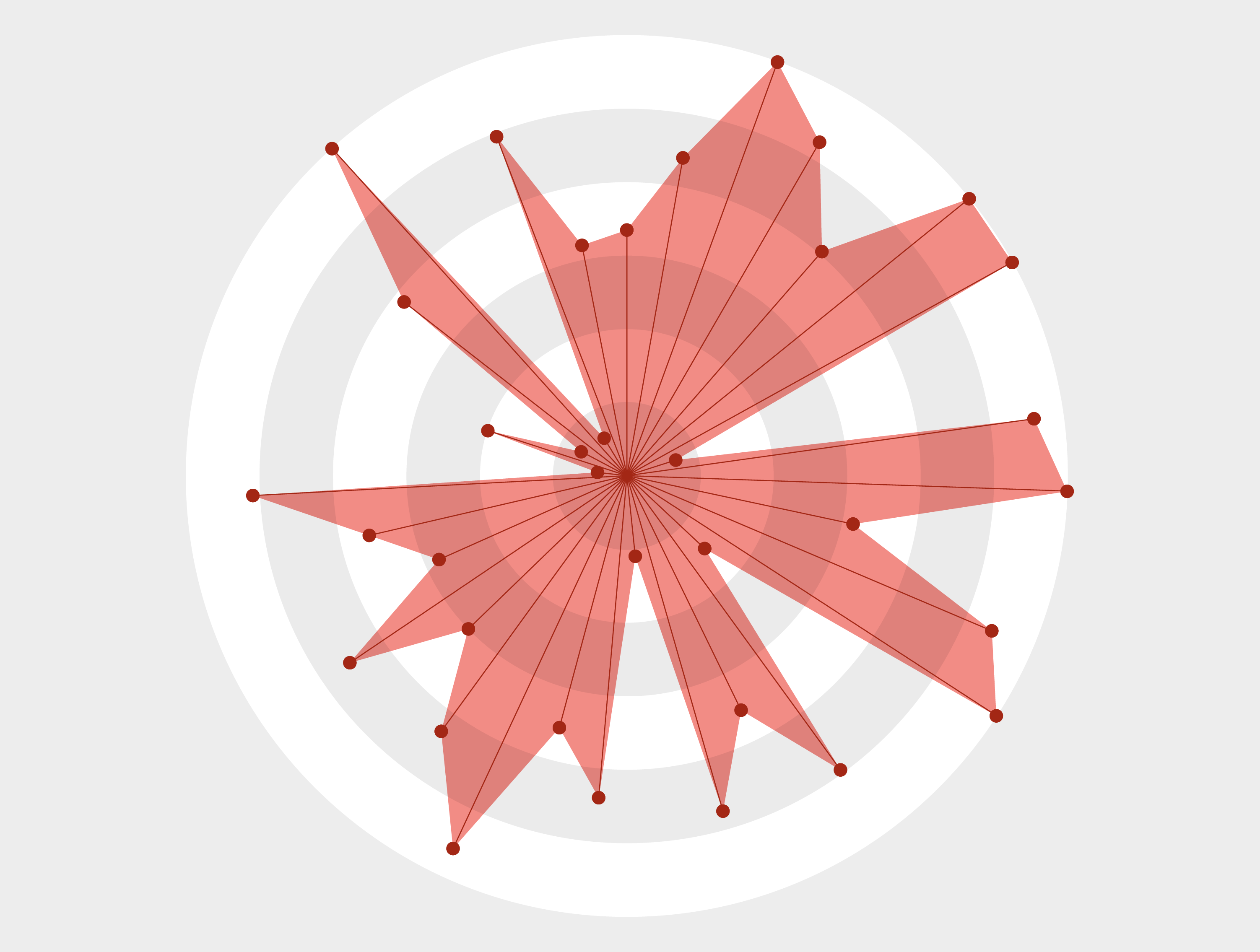

Country profiles
Related content
Explore related content on data.europa.eu.
Related content
Explore related content on data.europa.eu.
Related content
Explore related content on data.europa.eu.
Related content
Explore related content on data.europa.eu.
Related content
Explore related content on data.europa.eu.
Related content
Explore related content on data.europa.eu.
Related content
Explore related content on data.europa.eu.
Related content
Explore related content on data.europa.eu.
Related content
Explore related content on data.europa.eu.
Related content
Explore related content on data.europa.eu.
Related content
Explore related content on data.europa.eu.
Related content
Explore related content on data.europa.eu.
Related content
Explore related content on data.europa.eu.
Related content
Explore related content on data.europa.eu.
Related content
Explore related content on data.europa.eu.
Related content
Explore related content on data.europa.eu.
Related content
Explore related content on data.europa.eu.
Related content
Explore related content on data.europa.eu.
Related content
Explore related content on data.europa.eu.
Related content
Explore related content on data.europa.eu.
Related content
Explore related content on data.europa.eu.
Related content
Explore related content on data.europa.eu.
Related content
Explore related content on data.europa.eu.
Related content
Explore related content on data.europa.eu.
Related content
Explore related content on data.europa.eu.
Related content
Explore related content on data.europa.eu.
Related content
Explore related content on data.europa.eu.
Related content
Explore related content on data.europa.eu.
Related content
Explore related content on data.europa.eu.
Related content
Explore related content on data.europa.eu.
Related content
Explore related content on data.europa.eu.
Related content
Explore related content on data.europa.eu.
Related content
Explore related content on data.europa.eu.
Related content
Explore related content on data.europa.eu.
Related content
Explore related content on data.europa.eu.
Related content
Explore related content on data.europa.eu.
Explore related content on data.europa.eu.

Explore related content on data.europa.eu.



Explore related content on data.europa.eu.

Explore related content on data.europa.eu.

Explore related content on data.europa.eu.

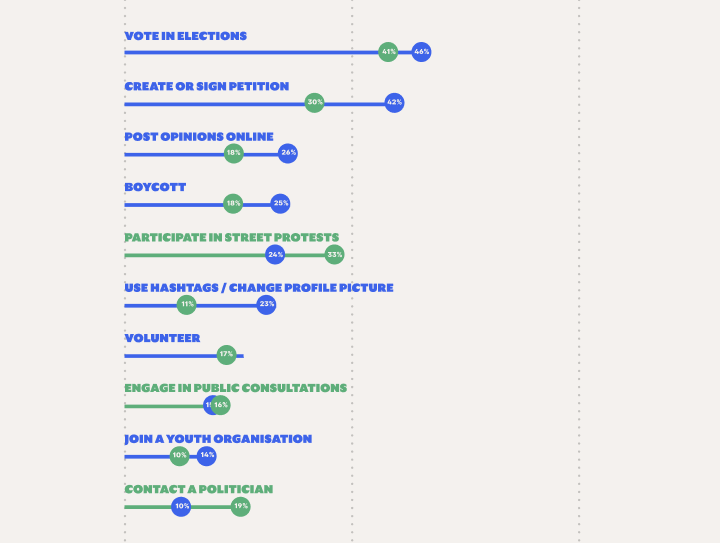
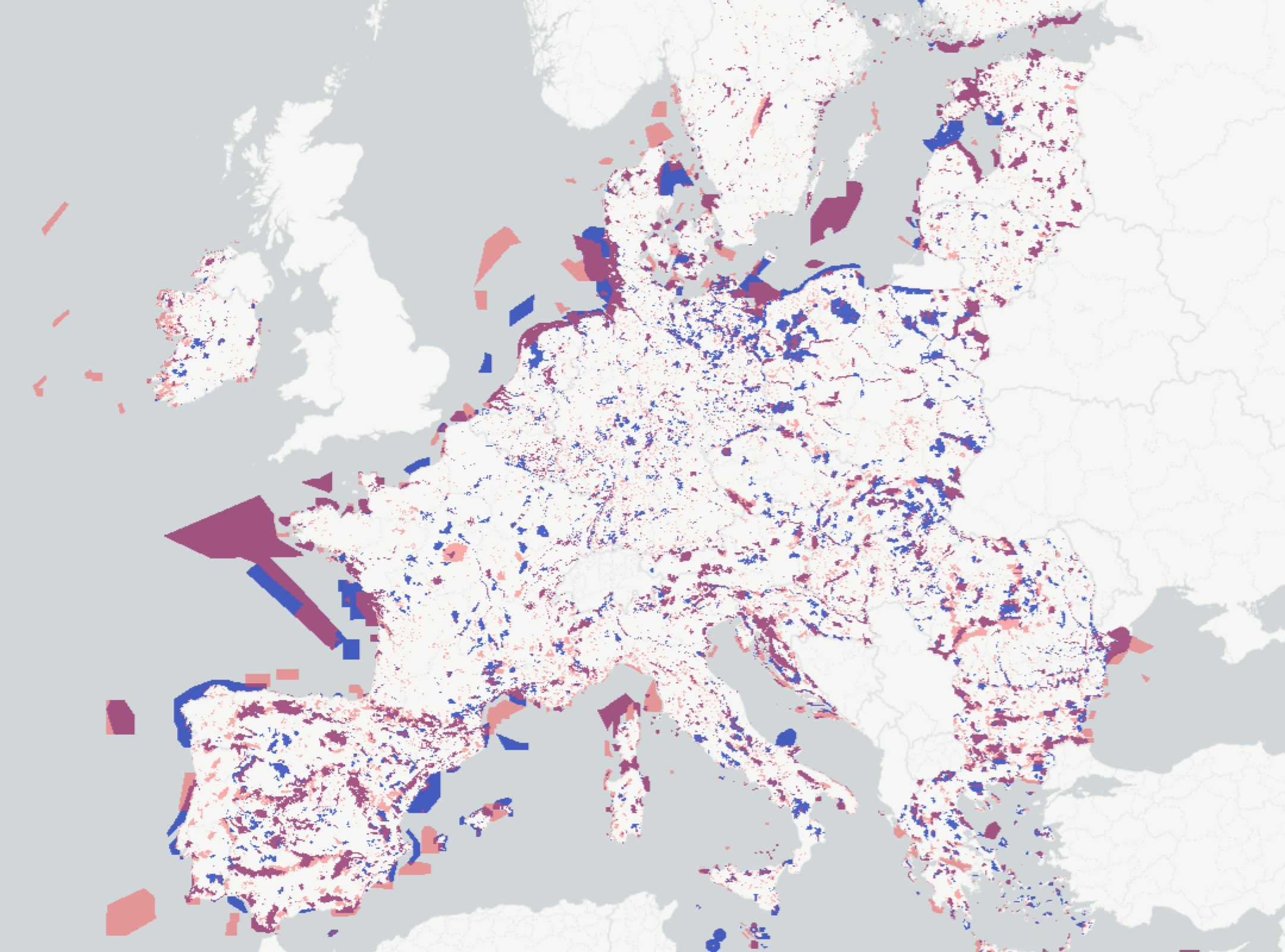
Explore related content on data.europa.eu.

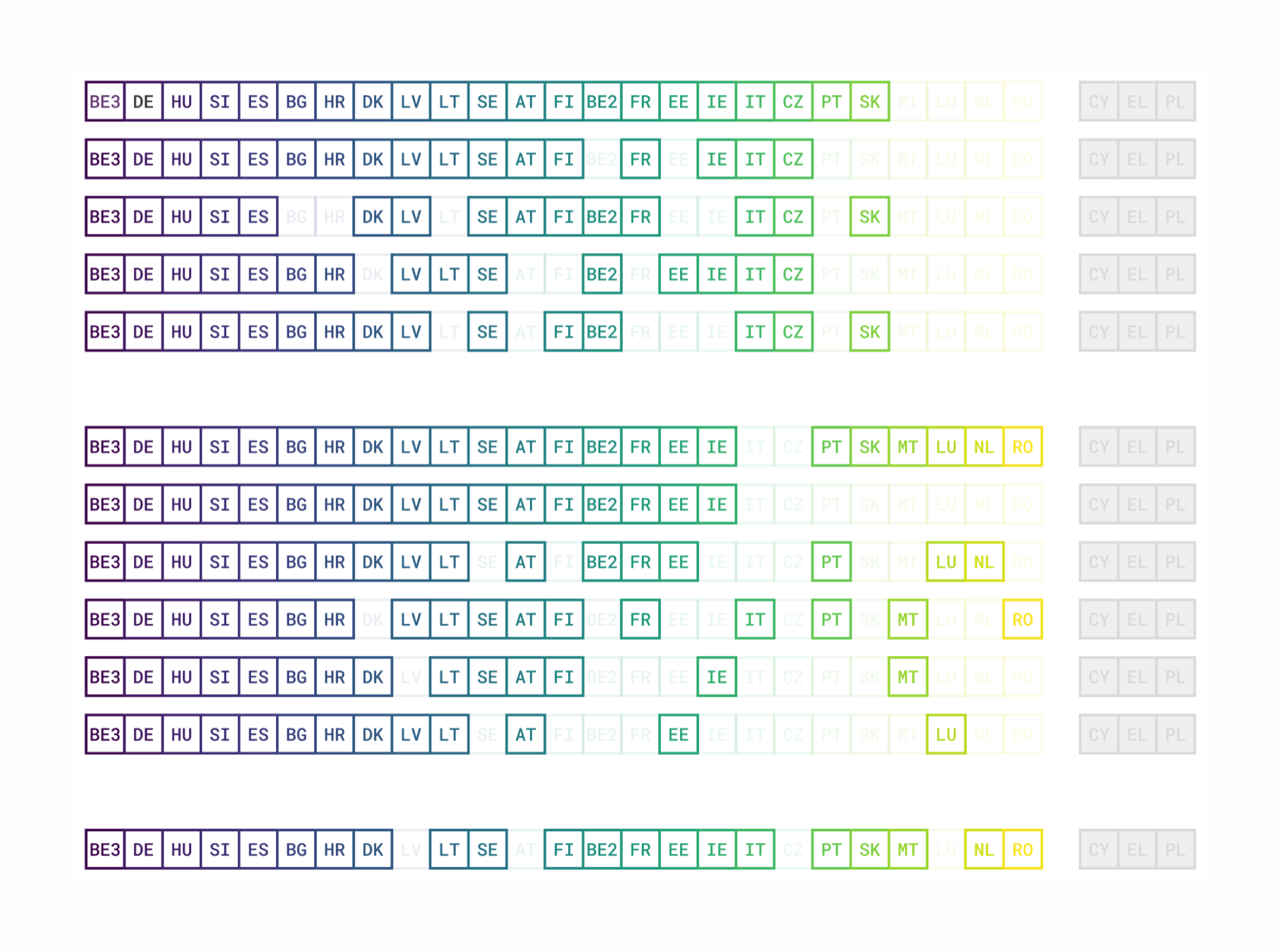
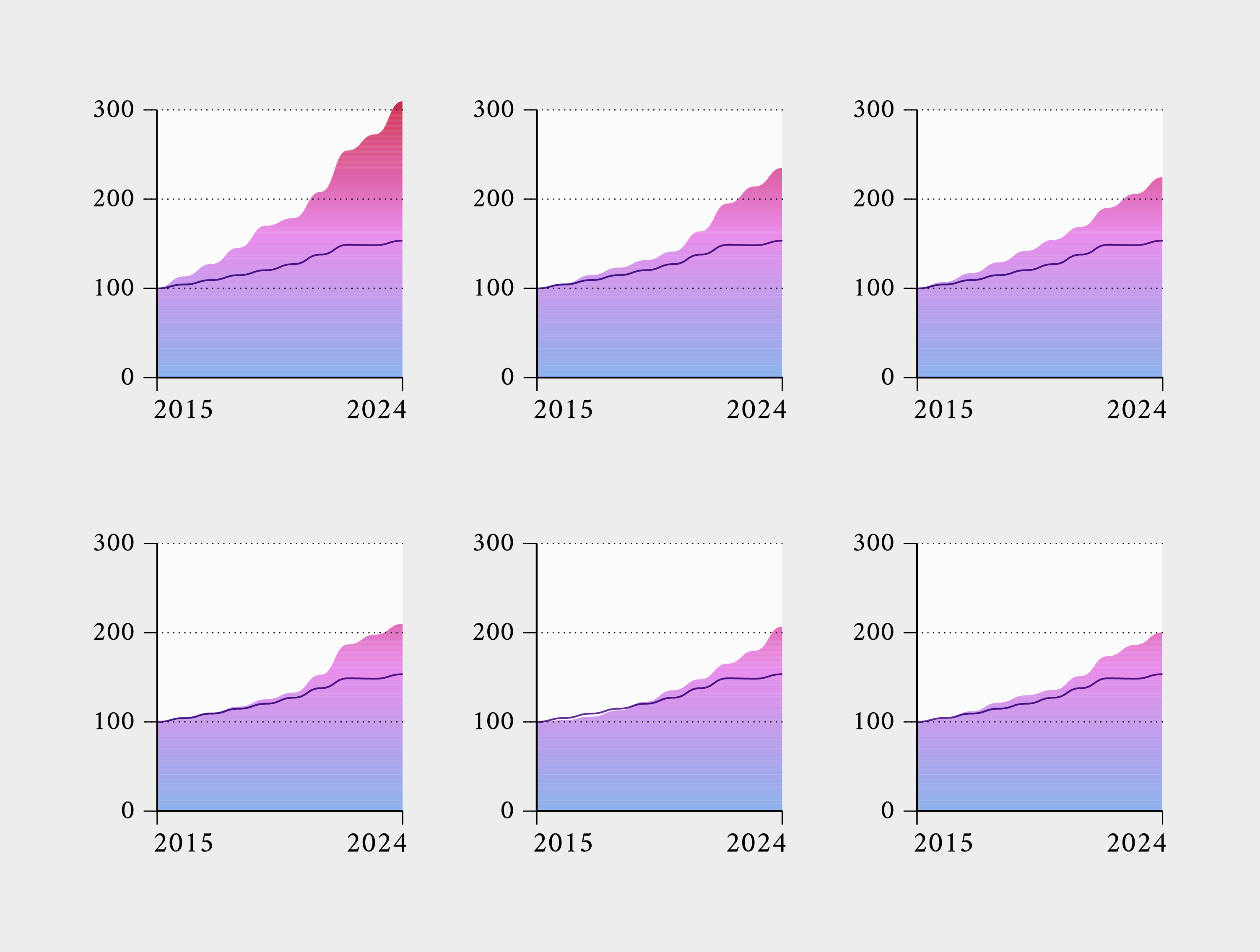
Explore related content on data.europa.eu.
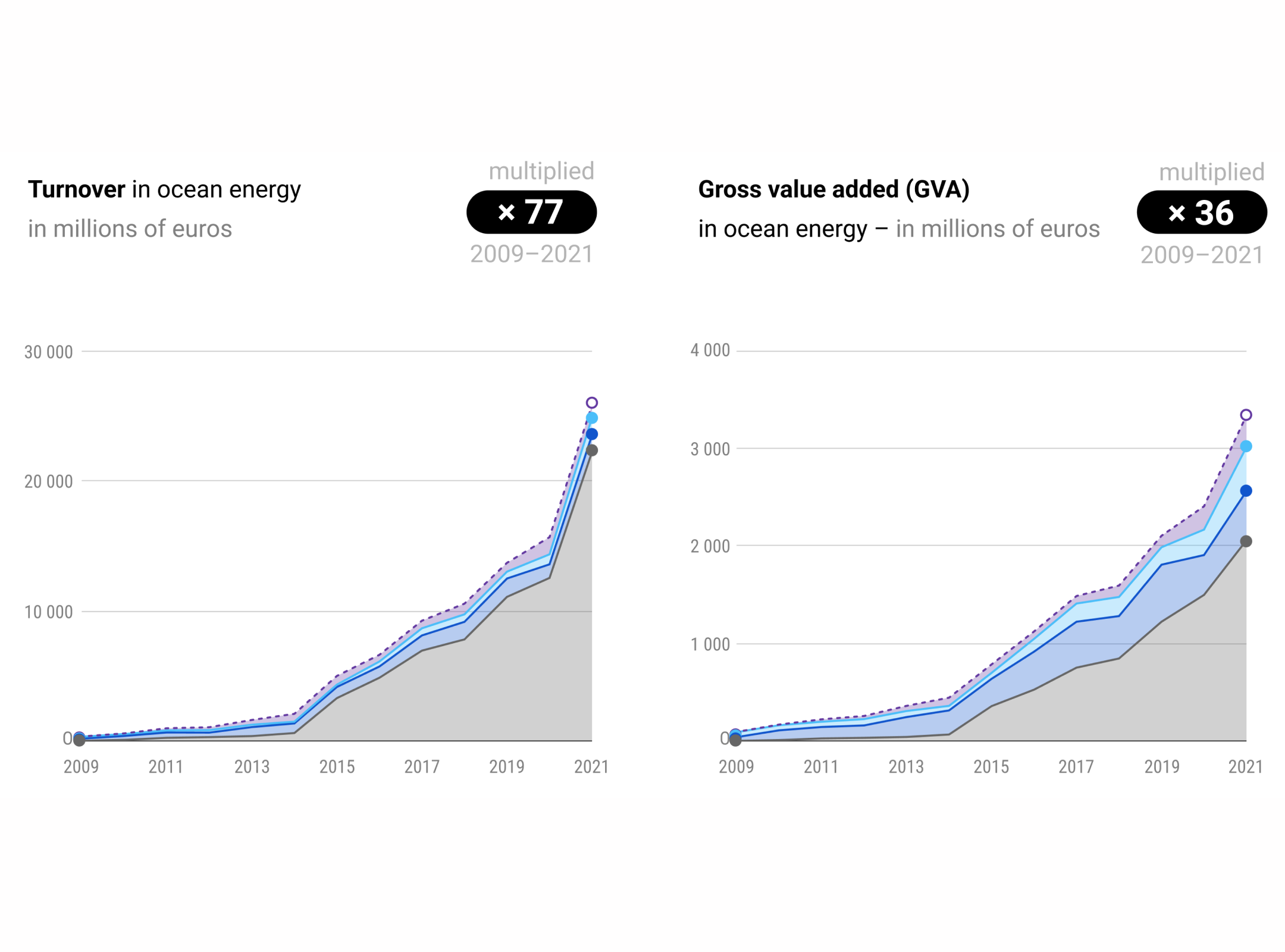
Explore related content on data.europa.eu.

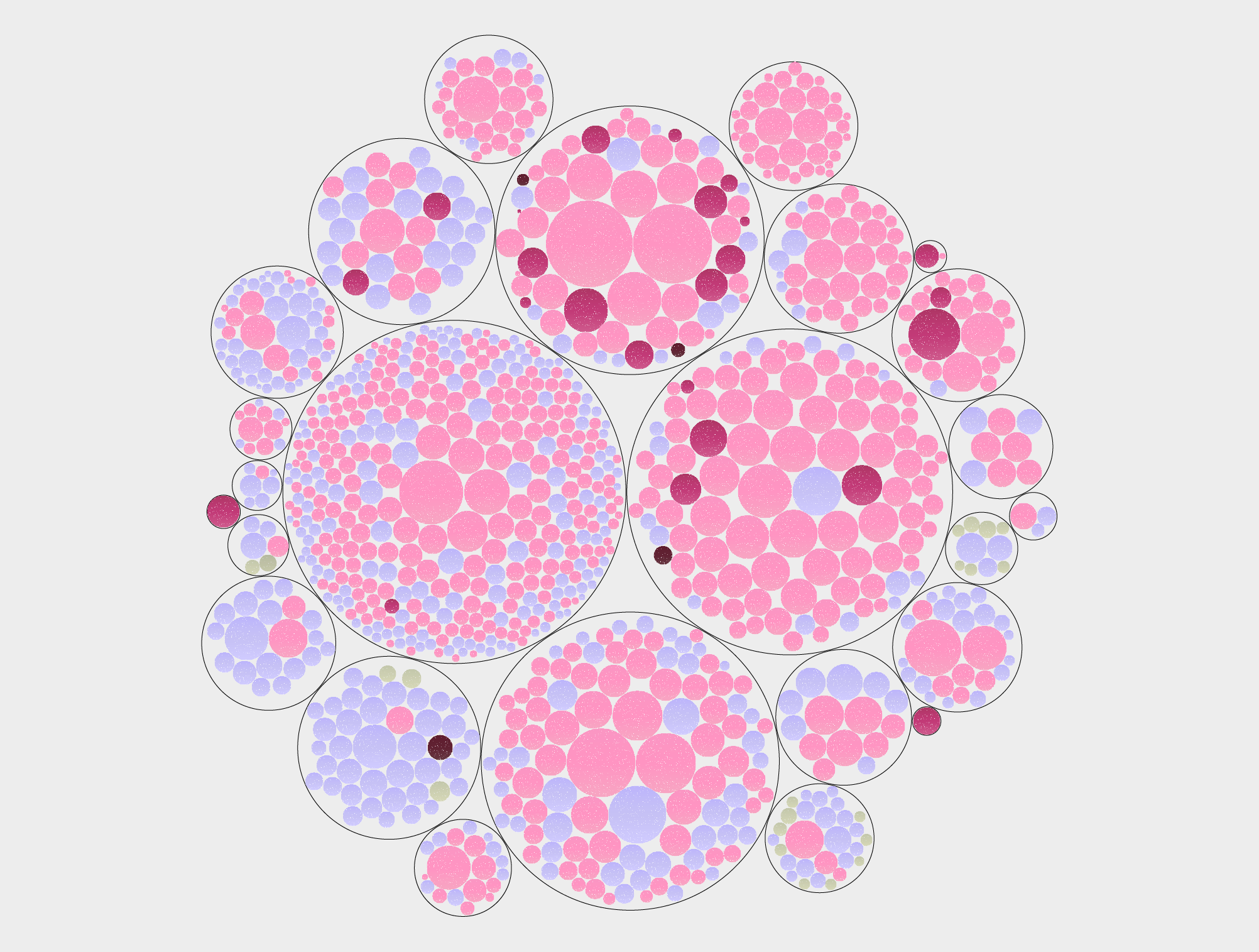
Explore related content on data.europa.eu.

Explore related content on data.europa.eu.

Explore related content on data.europa.eu.

Explore related content on data.europa.eu.


Explore related content on data.europa.eu.

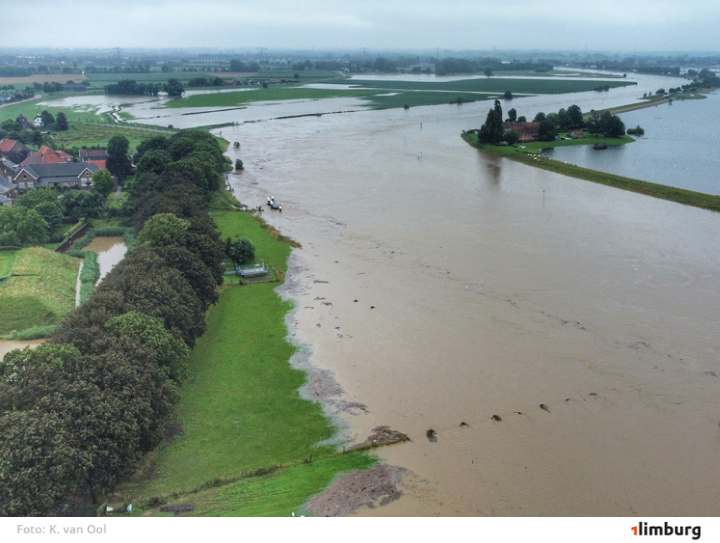
Explore related content on data.europa.eu.

Explore related content on data.europa.eu.

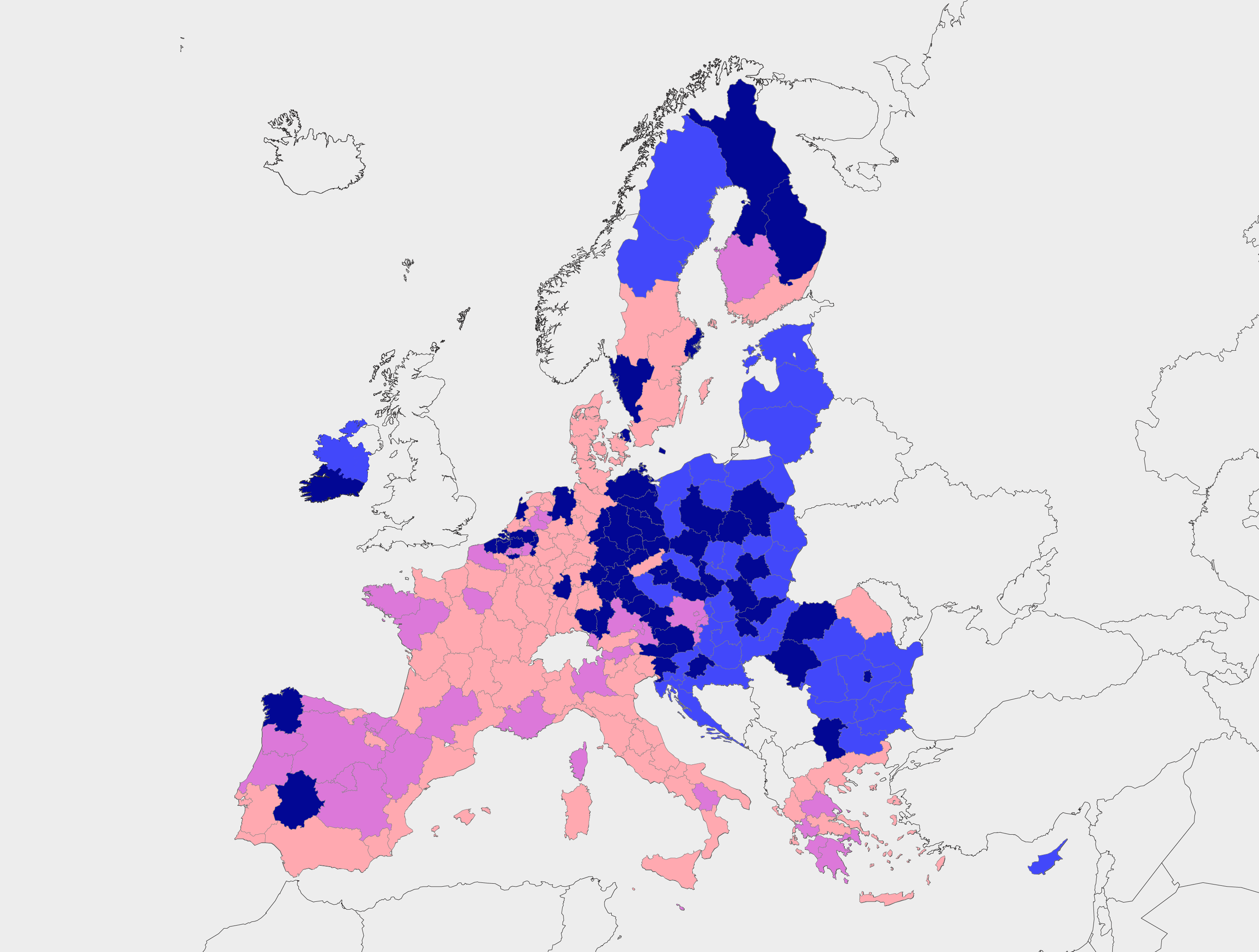

Explore related content on data.europa.eu.


Explore related content on data.europa.eu.


Explore related content on data.europa.eu.

Explore related content on data.europa.eu.

Explore related content on data.europa.eu.

Explore related content on data.europa.eu.



Explore related content on data.europa.eu.

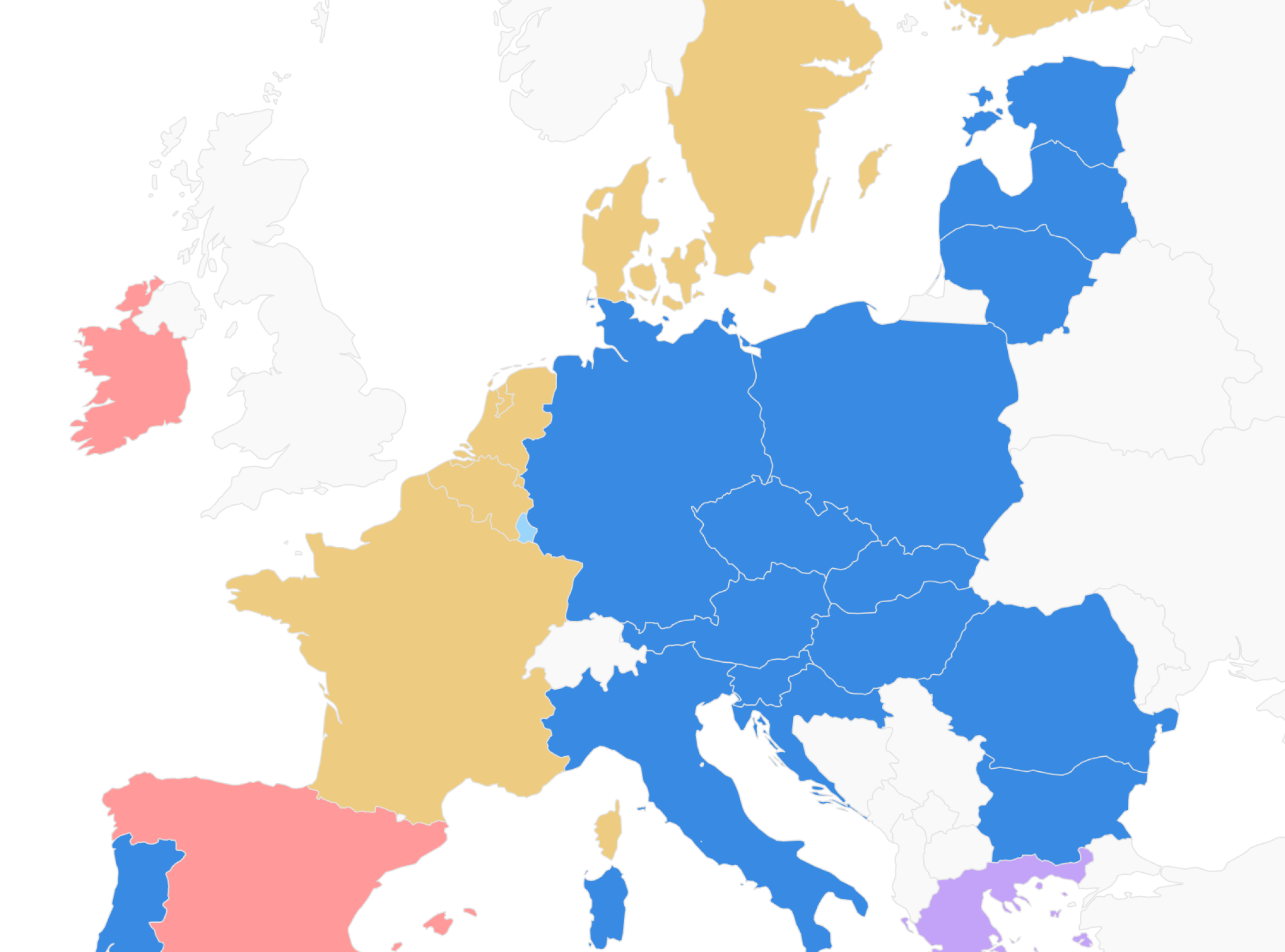
Explore related content on data.europa.eu.

Explore related content on data.europa.eu.

Explore related content on data.europa.eu.
Explore related content on data.europa.eu.

Explore related content on data.europa.eu.

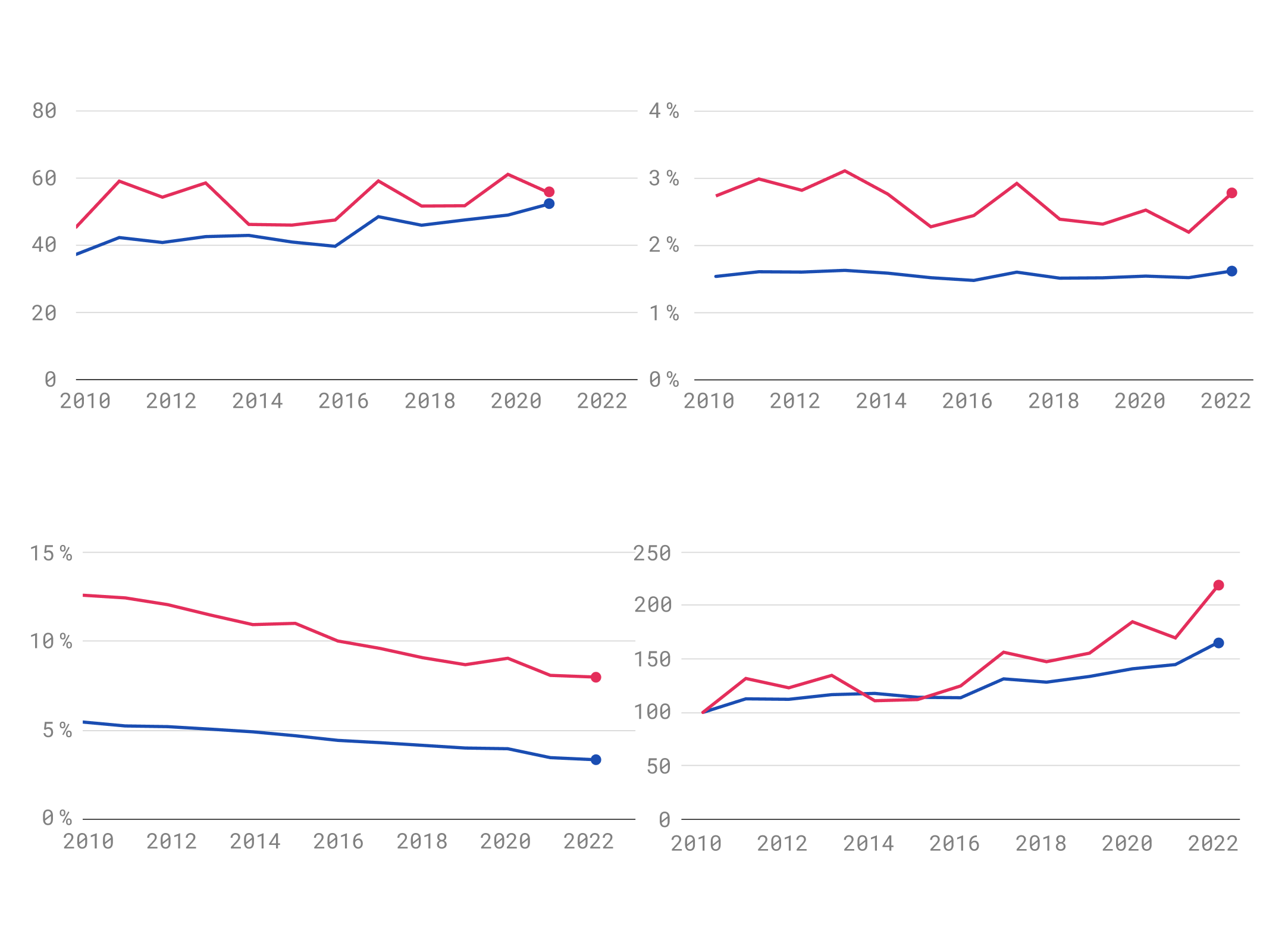
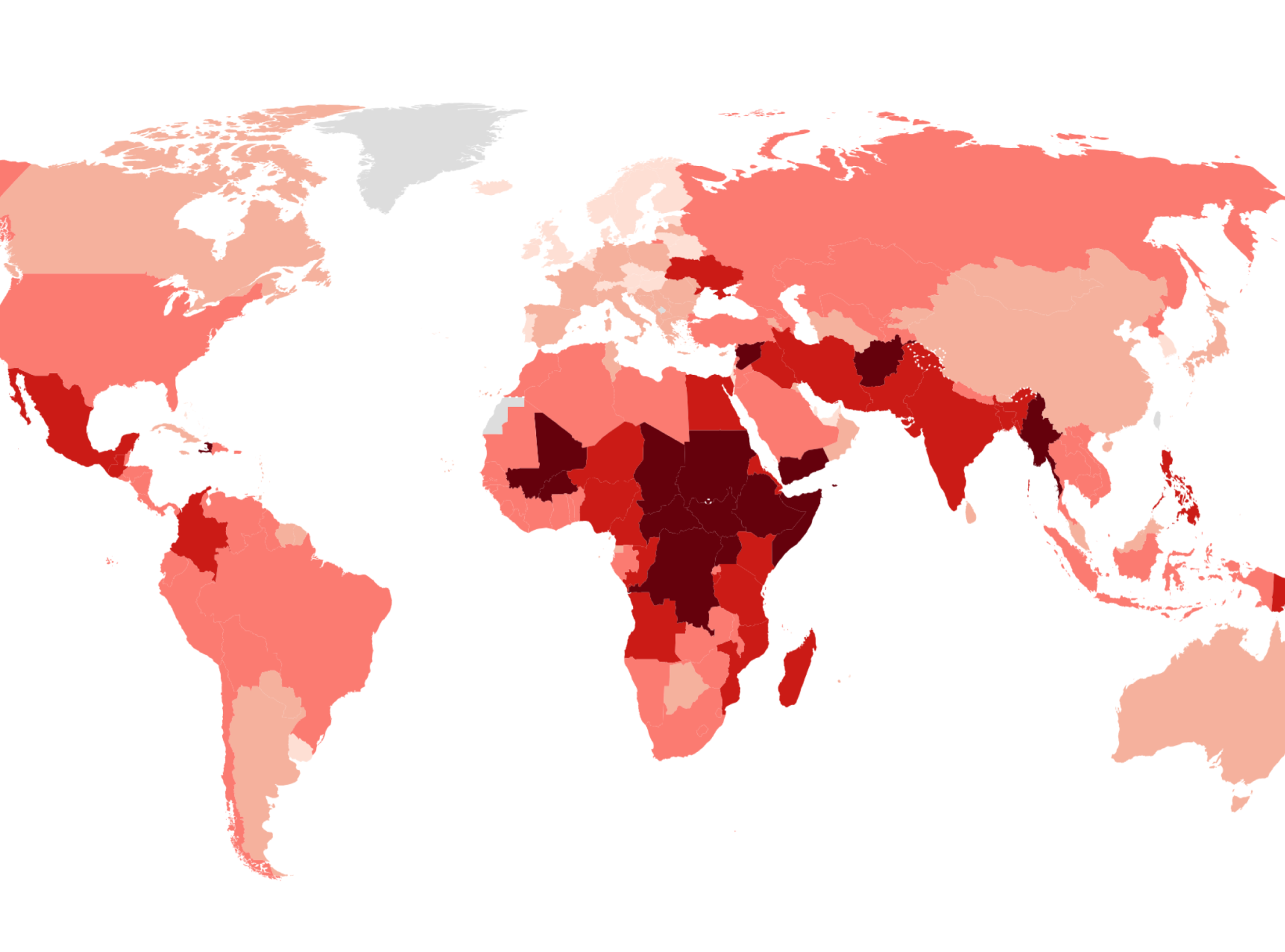
Explore related content on data.europa.eu.

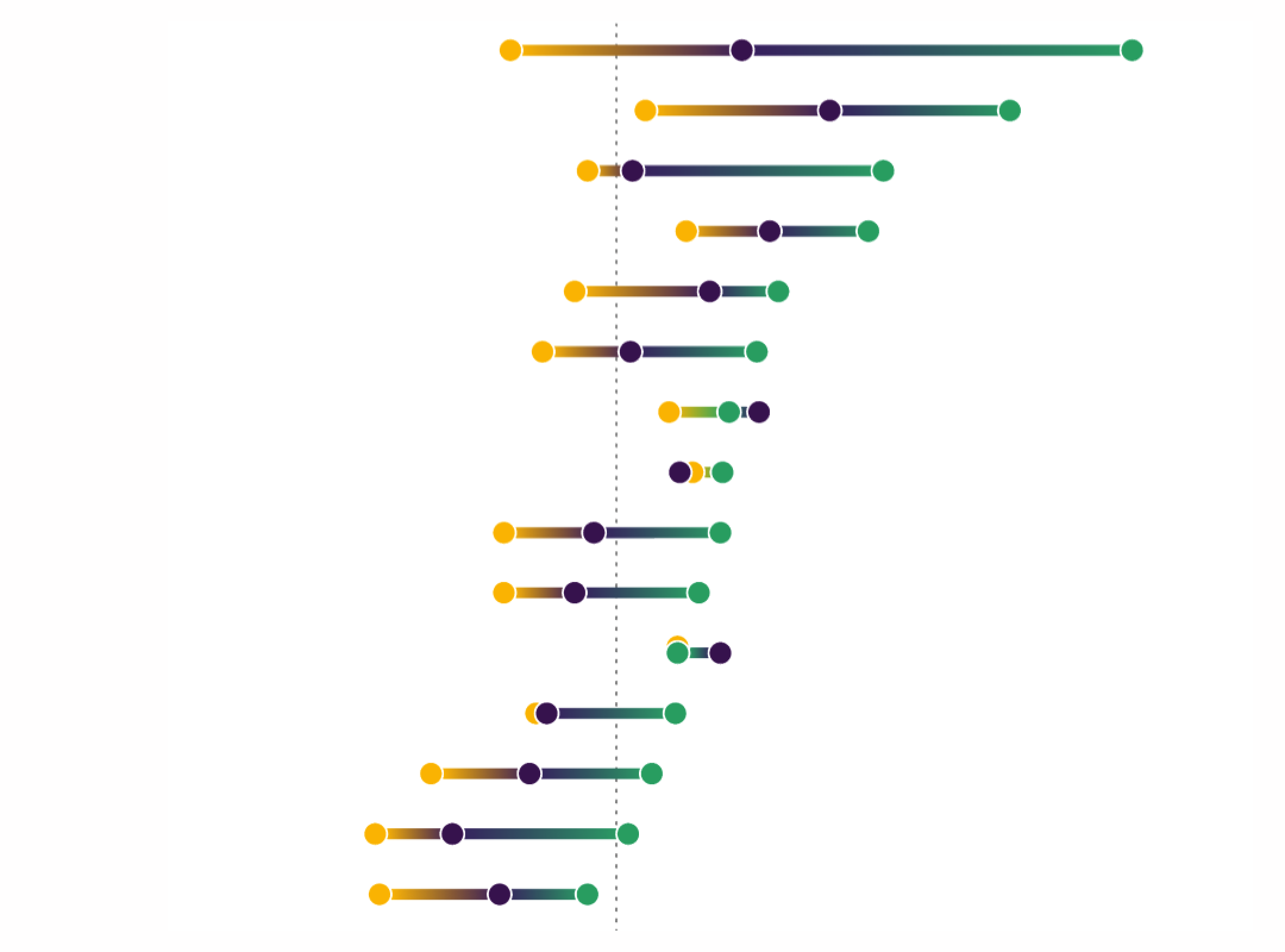
Explore related content on data.europa.eu.
Explore related content on data.europa.eu.
Explore related content on data.europa.eu.
Explore related content on data.europa.eu.
Explore related content on data.europa.eu.


Explore related content on data.europa.eu.


Explore related content on data.europa.eu.


Explore related content on data.europa.eu.

Method and resources
The objective of the open data maturity (ODM) assessment is to evaluate the progress of European countries in making public sector information available and stimulating its reuse. ODM is both a benchmarking and a learning tool. The results of the assessment support countries in better understanding their relative level of maturity and document year-on-year developments in the field of open data. The assessment further aims to support the development of open data best practices across Europe, serving as a tool for knowledge sharing. The ODM report provides evidence and recommendations on activities European countries could adopt to advance their open data maturity.
Assessment methodology
The data for the ODM assessment is collected through a voluntary questionnaire sent to the open data representatives of the participating countries, working in collaboration with the European Commission and the Expert Group on Public Sector Information. Country representatives are asked questions about the processes, activities, initiatives and other demonstrable outputs in their country that characterise a mature open data ecosystem. The research team at data.europa.eu reviews the responses based on the explanations and supporting evidence, and the answers and scores are validated in a consultation round between the research team and the country representatives.
- The research team sends the voluntary questionnaire to the national representatives in each participating country who have been nominated as the survey respondents.
- The survey respondents complete the questionnaire, collecting input from across their country’s public administration.
- The research team validates the responses based on the explanations and supporting evidence provided by the survey respondents.
- A consultation round is held with the survey respondents to gain clarification on the survey data and to give them the opportunity to validate the results.
- The final data is processed and analysed to produce the annual ODM report and accompanying materials.
Scoring system
The assessment conceptualises open data maturity on four thematic dimensions: policy, portal, quality and impact. Each of these dimensions is further detailed in sub-themes, called indicators. Countries are scored on a list of questions relating to each indicator of the assessment. Each response is allocated a score based on a predefined schema. The scores for the individual questions sum together to provide a total score for the indicators. In turn, the indicator scores are added together to give the scores for the dimensions. The overall maturity score is calculated as a weighted percentage of the four dimensions, meaning that each dimension contributes 25 % towards the overall maturity score. Ties in ranking are resolved based on the percentage maturity score rounded to one decimal point. (For ties, the display order in charts is determined by alphabetical or protocol order of country names, depending on the grouping of the chart). Besides the scored questions (see infographic), additional qualitative insights are gathered through a limited number of non-scored questions.
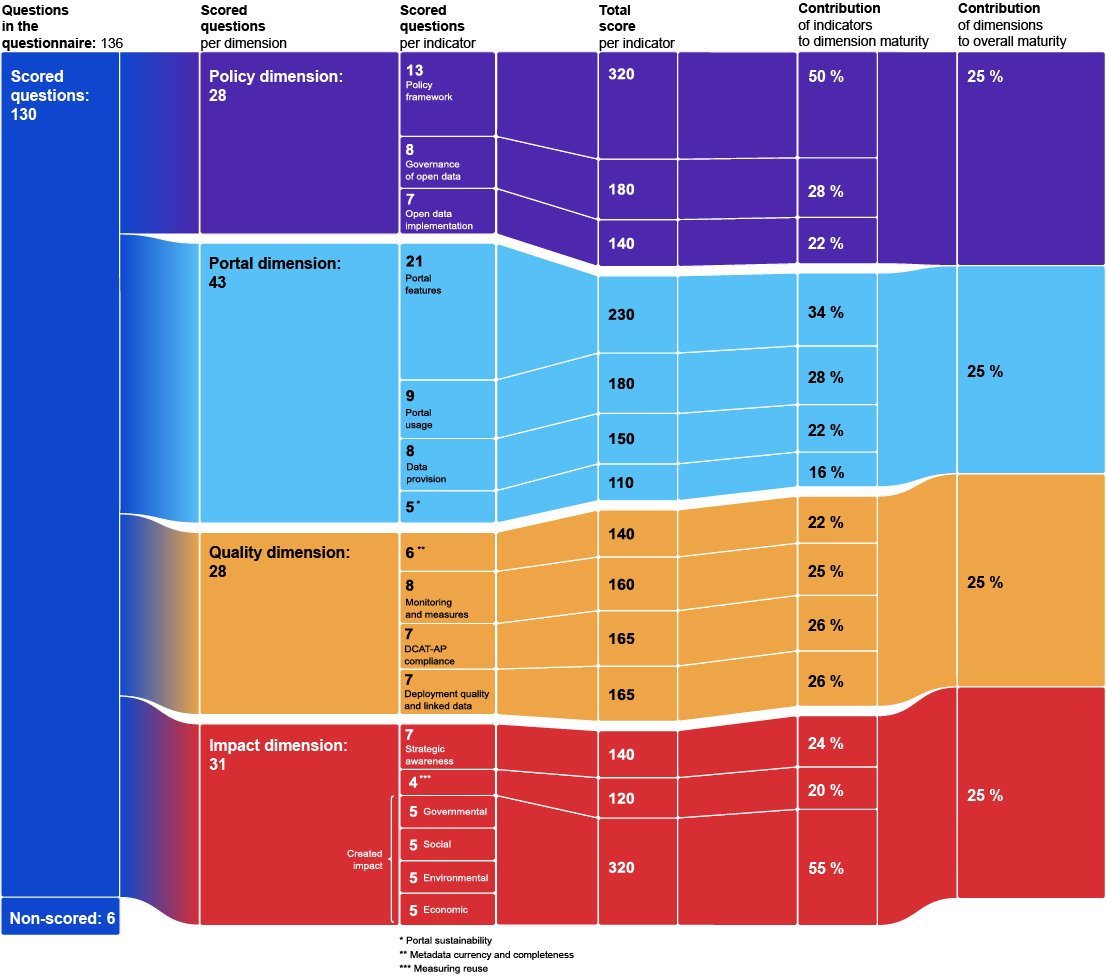
Lisätietoa
Download the files below to dive into the 2025 Open Data Maturity Report and its data in more detail.
The objective of the open data maturity (ODM) assessment is to evaluate the progress of European countries in making public sector information available and stimulating its reuse. ODM is both a benchmarking and a learning tool. The results of the assessment support countries in better understanding their relative level of maturity and document year-on-year developments in the field of open data. The assessment further aims to support the development of open data best practices across Europe, serving as a tool for knowledge sharing. The ODM report provides evidence and recommendations on activities European countries could adopt to advance their open data maturity.
Assessment methodology
The data for the ODM assessment is collected through a voluntary questionnaire sent to the open data representatives of the participating countries, working in collaboration with the European Commission and the Expert Group on Public Sector Information. Country representatives are asked questions about the processes, activities, initiatives and other demonstrable outputs in their country that characterise a mature open data ecosystem. The research team at data.europa.eu reviews the responses based on the explanations and supporting evidence, and the answers and scores are validated in a consultation round between the research team and the country representatives.


- The research team sends the voluntary questionnaire to the national representatives in each participating country who have been nominated as the survey respondents.
- The survey respondents complete the questionnaire, collecting input from across their country’s public administration.
- The research team validates the responses based on the explanations and supporting evidence provided by the survey respondents.
- A consultation round is held with the survey respondents to gain clarification on the survey data and to give them the opportunity to validate the results.
- The final data is processed and analysed to produce the annual ODM report and accompanying materials.
Scoring system
The assessment conceptualises open data maturity on four thematic dimensions: policy, portal, quality and impact. Each of these dimensions is further detailed in sub-themes, called indicators. Countries are scored on a list of questions relating to each indicator of the assessment. Each response is allocated a score based on a predefined schema. The scores for the individual questions sum together to provide a total score for the indicators. In turn, the indicator scores are added together to give the scores for the dimensions. The overall maturity score is calculated as a weighted percentage of the four dimensions, meaning that each dimension contributes 25 % towards the overall maturity score. Ties in ranking are resolved based on the percentage maturity score rounded to one decimal point. (For ties, the display order in charts is determined by alphabetical or protocol order of country names, depending on the grouping of the chart). Besides the scored questions (see infographic), additional qualitative insights are gathered through a limited number of non-scored questions.
Lisätietoa
Download the files below to dive into the 2025 Open Data Maturity Report and its data in more detail.